

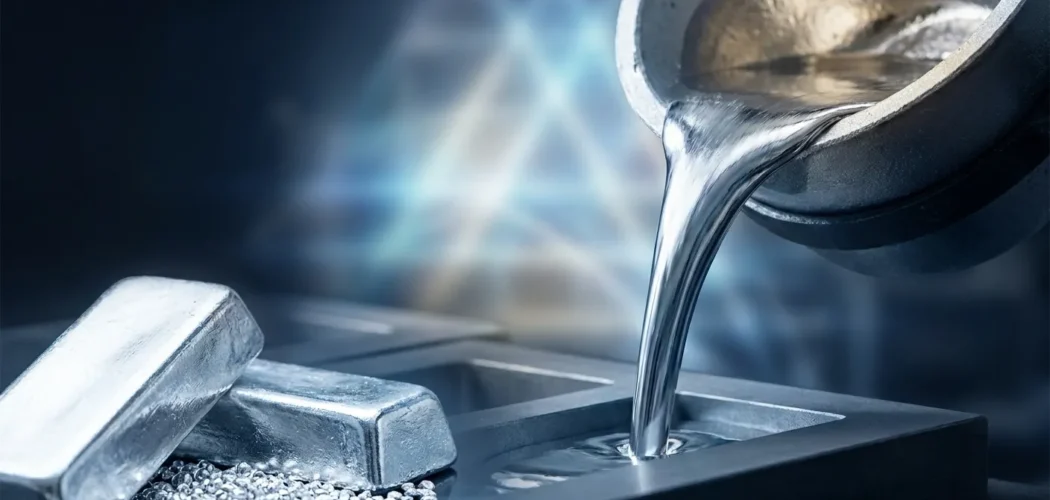
Silver has always been a captivating metal, known for its dramatic price movements. For new investors, the significant swings can seem daunting, yet understanding silver price volatility explained is key to appreciating its unique investment potential. At Silver Price Gold, we demystify these dynamics, transforming uncertainty into informed opportunity. We aim to be your guiding mentor through the complexities of precious metals.
Silver’s Explosive Journey: A Recent Overview
Silver’s performance in 2025-2026 has been nothing short of spectacular. In 2025, silver surged by an astonishing 149.1%, hitting a new all-time spot price high of $55.51 per ounce by October 14. This rally continued into early 2026, breaking records and surpassing $58 per ounce. By January 27, 2026, silver was priced at $111.36 per ounce, representing a roughly 270% increase in just one year from January 2025! This remarkable ascent highlights silver’s capacity for rapid gains.
However, similar to gold, silver experienced a sharp correction, plunging 26% on January 30, 2026 – one of the most volatile days for the metal. Despite this, expert forecasts remain optimistic. J.P. Morgan Global Research projects silver prices to reach $63 per ounce in Q4 2026, averaging $70/oz for the year. Bank of America anticipates silver to average around $56 in 2026, potentially peaking at $65, while some analysts even suggest $75 or $100 is achievable. These forecasts highlight silver’s continued potential, even with its inherent price fluctuations.
Why is Silver Price Volatility Explained as Higher Than Gold’s?
Silver’s price movements are typically more pronounced than gold’s, a characteristic that defines its market. Here’s why this precious metal experiences greater swings:
- Dual Demand Base: Unlike gold, which is primarily an investment and jewelry metal, silver has significant industrial demand. It’s crucial for electronics, solar panels, electric vehicles, and medical applications. This dual demand means silver prices are influenced by both investment sentiment (safe-haven appeal) and global economic growth (industrial consumption). Economic slowdowns can severely impact industrial demand, leading to larger price drops.
- Smaller Market Size & Lower Liquidity: The silver market is considerably smaller and less liquid than the gold market. This means that relatively smaller buy or sell orders can have a more significant impact on prices, leading to more dramatic swings. Consequently, price discovery can be more reactive.
- Leverage Effect: Silver is often referred to as ‘leveraged gold’ because it tends to amplify gold’s movements. When gold moves up, silver often moves up more; when gold moves down, silver often falls further. This characteristic further contributes to why silver price volatility explained often involves comparison to gold.
Early 2026 saw silver’s volatility jump by 106% year-to-date, significantly higher than gold’s 46% increase, underscoring these inherent differences. For more insights on related market movements, consider exploring our news on gold and silver movements.
Key Fundamental Drivers of Silver’s Swings
Beyond its unique market structure, several fundamental factors contribute to silver’s dynamic pricing. Understanding these drivers is essential for comprehending silver price fluctuations.
- Industrial Demand: The accelerating transition to green energy and advanced technologies ensures a robust future for industrial silver. Solar panels, 5G technology, and electric vehicles all rely heavily on silver. Therefore, economic forecasts and technological advancements directly impact silver’s industrial consumption.
- Investment Demand: Silver, like gold, acts as a safe haven during economic uncertainty, inflation, or geopolitical instability. However, its lower price point makes it more accessible to a broader range of investors, amplifying its response to shifts in investor sentiment.
- Mining Supply: Silver is often a byproduct of mining other metals like copper, lead, and zinc. Consequently, its supply can be less responsive to direct silver price changes. Disruptions in base metal mining can therefore affect silver supply, impacting its price. You can stay updated on broader market trends through our mining news section.
- Monetary Policy and Interest Rates: Central bank policies, especially interest rate decisions, significantly influence silver’s appeal. Higher interest rates typically strengthen the dollar and increase the opportunity cost of holding non-yielding assets like silver, potentially leading to price declines. Conversely, lower rates can make silver more attractive. This relationship is explored further in our article on interest rates and gold/silver prices.
- U.S. Dollar Strength: As silver is priced in U.S. dollars, a stronger dollar makes silver more expensive for international buyers, potentially reducing demand and leading to lower prices. Conversely, a weaker dollar can boost demand.
Navigating Silver’s Volatility: Strategies for the Cautious Investor
For investors seeking to understand silver price volatility explained and manage its risks, several strategies can be employed:
- Dollar-Cost Averaging: This strategy involves investing a fixed amount of money at regular intervals, regardless of the price. It helps mitigate the risk of buying at a market peak and averages out the purchase price over time.
- Long-Term Perspective: Silver’s short-term movements can be dramatic, but its long-term trend has historically been upward, driven by increasing industrial demand and its role as a store of value. A long-term horizon allows investors to ride out short-term fluctuations.
- Diversification: While silver offers unique benefits, it should be part of a diversified portfolio. Combining silver with other asset classes can help reduce overall portfolio risk.
- Research and Education: Staying informed about market dynamics, economic indicators, and technological advancements that impact silver is crucial. Understanding the factors behind silver price volatility explained empowers investors to make informed decisions. We pride ourselves on providing clear, expert-led education.
- Consider Physical Silver: Investing in physical silver (coins, bars) offers direct ownership and protection against counterparty risk. It’s a tangible asset that can provide peace of mind during turbulent times.
Understanding these strategies can help transform potential apprehension into a confident approach to investing in silver. It’s about being prepared, not fearful, of market movements. The concept of silver price volatility explained becomes a roadmap for strategic engagement.
The Role of Industrial Demand in Silver’s Future
The industrial demand for silver is a powerful, often underestimated, driver of its price. As the world increasingly shifts towards renewable energy and advanced electronics, silver’s role becomes even more critical. Solar panels, for instance, are significant consumers of silver, and their global adoption rates directly influence demand. Furthermore, the burgeoning electric vehicle market and the expansion of 5G infrastructure are creating new avenues for silver consumption. These technological trends suggest a robust foundational demand that could underpin future price appreciation, even amidst short-term fluctuations. This consistent industrial need is a key component when considering silver price volatility explained.
However, industrial demand is also sensitive to global economic cycles. During economic downturns, manufacturing slows, and demand for new electronics or vehicles may decrease, impacting silver prices. Conversely, periods of strong economic growth can lead to surging industrial demand, pushing prices higher. This interplay between economic health and technological advancement creates a dynamic environment for silver’s valuation. Investors must therefore monitor global economic indicators closely, alongside technological forecasts, to gain a comprehensive understanding of silver’s potential trajectory. Statista provides valuable data on silver demand by sector.
The Influence of Geopolitical and Economic Factors
Geopolitical events and broader economic shifts also play a significant role in influencing silver’s price movements. During times of political instability, trade wars, or currency devaluation, investors often flock to precious metals as safe-haven assets. Silver, being more affordable than gold, can see increased demand from a wider range of investors in such scenarios. This flight to safety can lead to sharp price increases, demonstrating another facet of silver price volatility explained.
Conversely, periods of sustained economic stability and rising interest rates can diminish the appeal of non-yielding assets like silver, potentially leading to price corrections. The strength of the U.S. dollar, as mentioned earlier, is another critical factor. A stronger dollar makes silver more expensive for holders of other currencies, which can dampen international demand. Keeping an eye on global economic news and central bank announcements is therefore vital for anyone interested in silver investing. For instance, understanding how events like hawkish speeches impact precious metals can be highly informative.
Furthermore, inflation expectations heavily influence investment demand for silver. When inflation is expected to rise, investors often turn to precious metals as a hedge against the erosion of purchasing power. This inflationary hedge aspect contributes to silver’s appeal and can drive prices upward. Conversely, a belief that inflation is under control might reduce this specific demand. This complex web of factors contributes to why silver price volatility explained is a nuanced topic.
Understanding Supply Dynamics and Market Manipulation
The supply side of the silver market also contributes to its volatility. Unlike many commodities where supply can quickly adjust to price changes, silver supply is often constrained by its nature as a byproduct. Approximately 70% of silver production comes from mines primarily targeting other metals like copper, lead, and zinc. This means that if silver prices rise significantly, miners cannot simply ramp up silver production alone; they would need to increase the mining of the primary metals, which is a much larger and more complex undertaking. This inelastic supply can exacerbate price movements, particularly during periods of high demand.
Additionally, discussions around market manipulation in the silver market have been ongoing for decades. While official bodies often dismiss these claims, many precious metals investors and analysts believe that large financial institutions can influence prices through various trading strategies. While difficult to prove definitively, the perception of such manipulation can contribute to investor sentiment and, by extension, to price fluctuations. Understanding these supply constraints and historical market discussions provides a more complete picture of silver price volatility explained. Transparency in financial markets is always a concern for investors.
The Psychological Aspect of Silver Investing
Finally, the psychological aspect of investing cannot be overlooked when considering silver price volatility explained. Investor sentiment, driven by fear and greed, often amplifies price movements. During periods of rapid ascent, FOMO (fear of missing out) can draw in new investors, pushing prices even higher. Conversely, sharp declines can trigger panic selling, creating a downward spiral. This herd mentality can lead to overreactions in the market, making silver’s price swings more pronounced than what fundamental factors alone might suggest.
For the cautious investor, recognizing these psychological biases is crucial. It allows for a more rational approach, focusing on long-term value and fundamental drivers rather than succumbing to short-term emotional swings. Maintaining a disciplined investment strategy, such as dollar-cost averaging, can help to counteract these psychological pressures. Ultimately, confidence in navigating the silver market comes from a deep understanding of all its facets, including the human element.
Conclusion: Embracing Silver’s Potential with Confidence
Silver’s market is undeniably dynamic, characterized by significant price swings. However, by understanding the multifaceted reasons behind silver price volatility explained – its dual demand, smaller market size, leverage effect, and the influence of industrial, investment, geopolitical, and psychological factors – cautious investors can approach this precious metal with greater confidence. Silver Price Gold is committed to empowering you with the knowledge needed to navigate these markets effectively. We believe that with the right insights and a structured approach, silver’s volatility transforms from a source of apprehension into a pathway for informed opportunity. Embrace the journey with us, and turn market dynamics into strategic advantages.
FAQ
What makes silver prices move more dramatically than gold?
Silver’s price movements are generally more pronounced than gold’s due to its dual demand base (industrial and investment), a smaller market size, lower liquidity, and its tendency to amplify gold’s price changes. Industrial demand, in particular, makes it more sensitive to economic cycles.
Can industrial demand truly stabilize silver’s price fluctuations?
While industrial demand provides a strong foundation for silver, it doesn’t entirely stabilize its price fluctuations. Industrial consumption is still subject to global economic health and technological shifts. However, the consistent and growing need for silver in green energy and electronics does offer a long-term bullish outlook.
What are common strategies for mitigating risk when investing in silver?
To mitigate risk, cautious investors often use dollar-cost averaging, maintain a long-term perspective, and diversify their portfolios. Staying informed about market dynamics and considering physical silver ownership can also be beneficial in managing the risks associated with price swings.
How do global economic events impact silver’s market movements?
Global economic events significantly influence silver. During economic uncertainty or high inflation, silver often sees increased investment demand as a safe-haven asset. Conversely, strong economic growth can boost industrial demand, but rising interest rates may diminish its appeal as a non-yielding asset. The strength of the U.S. dollar also plays a crucial role.
Is silver a good investment for beginners, given its price swings?
Silver can be a good investment for beginners, but it requires understanding its inherent volatility. Its lower price point makes it accessible, but the dramatic swings necessitate a well-researched, patient approach. Education and a long-term strategy are key to navigating the market successfully.

