

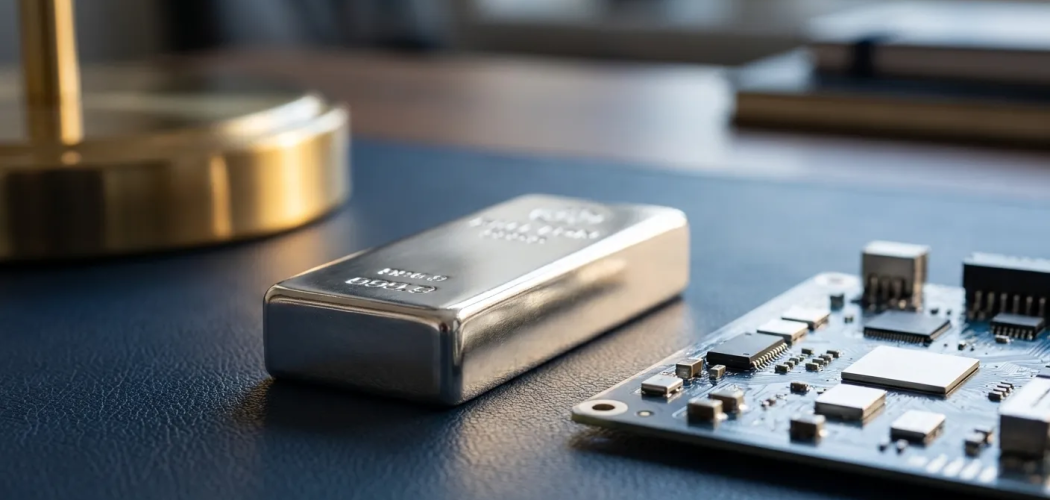
When new investors consider precious metals, gold often takes center stage. However, for those looking to diversify and explore unique opportunities, understanding the value of silver investment is crucial. Silver, often overshadowed by its golden counterpart, offers a distinct set of characteristics that make it a compelling asset. At Silver Price Gold, we believe in providing comprehensive insights, illuminating how silver’s dual role in both industry and as a monetary metal positions it uniquely in the market, especially for cautious beginners like Sarah.
Silver’s Dual Identity: Industrial Demand Meets Monetary Metal
What truly sets silver apart is its fascinating dual identity. For millennia, silver has served as a monetary metal, used in coinage and as a store of value, much like gold. It embodies wealth preservation and has a deep historical lineage. However, unlike gold, a significant portion of silver’s demand comes from industrial applications. It is an indispensable component in electronics, solar panels, medical devices, and countless other high-tech products due to its superior electrical and thermal conductivity. This industrial demand means that silver’s price is influenced not only by financial market sentiment but also by global economic growth and technological advancements. This unique blend makes silver a dynamic asset with multiple drivers for its investment worth.
Why Silver Can Outperform Gold (Sometimes)
While gold is renowned for its stability, silver often presents a higher potential for price appreciation, albeit with greater volatility. This is partly due to the gold/silver ratio, which tracks how many ounces of silver it takes to buy one ounce of gold. Historically, this ratio fluctuates. When it is high, silver is considered undervalued relative to gold, suggesting potential for significant upward movement. Silver’s smaller market size compared to gold also means that relatively smaller shifts in demand or supply can have a more pronounced impact on its price. For investors seeking assets with higher growth potential within the precious metals sector, silver’s characteristic volatility can translate into more substantial gains during bull markets, offering a distinct risk-reward profile that complements a more stable gold position.
Accessibility and Affordability for New Investors
For new investors starting their journey, the entry barrier to precious metals can sometimes feel daunting, especially with gold’s higher price per ounce. This is where the value of silver investment truly shines. Silver is significantly more affordable than gold, making it accessible to a broader range of budgets. Investors can purchase smaller denominations of physical silver, such as coins or fractional bars, without needing a large initial capital outlay. This affordability allows beginners to gradually build their precious metals portfolio, gaining confidence and experience without significant financial strain. Furthermore, the availability of various forms of silver, from bullion to exchange-traded funds (ETFs), provides flexibility for different investment strategies and comfort levels.
Understanding Silver’s Industrial Demand Drivers
Silver’s industrial utility is a cornerstone of its market dynamics. Its exceptional electrical conductivity makes it essential in electronics, including smartphones, computers, and automotive components. Similarly, its reflective properties are vital for solar panels, a rapidly growing industry driven by global renewable energy initiatives. Medical devices, water purification systems, and even some textile applications also rely on silver’s unique attributes. Therefore, economic growth and technological innovation directly impact silver demand. For instance, an increase in solar panel manufacturing or a surge in consumer electronics sales can significantly boost silver consumption. This diverse industrial demand provides a fundamental floor for silver’s price, distinguishing it from purely monetary assets. It also creates a compelling case for the long-term prospects of silver holdings.
The Role of Silver as a Monetary Metal
Beyond its industrial applications, silver maintains its historical significance as a monetary metal. Throughout history, silver coins have circulated as currency, and the metal has served as a reliable store of wealth. In times of economic uncertainty or inflation, many investors turn to precious metals as a hedge against currency devaluation. Silver, much like gold, offers this protective quality. It acts as a tangible asset, independent of government-issued fiat currencies. For those concerned about economic stability, holding physical silver provides a sense of security and a safeguard against market volatility. Consequently, understanding this monetary aspect is key to appreciating the comprehensive value of silver investment.
Factors Influencing Silver Prices
Several factors influence the price of silver, making it a dynamic asset. Industrial demand, as discussed, plays a significant role. Global economic health directly correlates with manufacturing output, thus impacting silver consumption. Monetary policy, particularly interest rates and inflation expectations, also affects silver’s appeal as a safe-haven asset. Lower interest rates, for example, can make non-yielding assets like silver more attractive. Furthermore, investor sentiment and speculative trading can cause short-term price fluctuations. The supply side is also crucial. Silver is often mined as a byproduct of other metals, such as copper, lead, and zinc. Therefore, the economics of these primary metals can influence silver’s overall supply. Geopolitical events and currency movements also contribute to price volatility. A comprehensive understanding of these drivers is essential for informed decision-making regarding the value of silver investment.
Comparing Silver and Gold: A Balanced View
While gold is often seen as the ultimate safe haven, silver offers a different profile. Gold typically exhibits lower volatility and serves as a more stable store of value. Silver, however, tends to be more volatile, offering higher potential for gains during bull markets but also greater risk during downturns. The gold/silver ratio is a key metric for comparison. A high ratio suggests silver is undervalued relative to gold, potentially indicating a buying opportunity for silver. Conversely, a low ratio might suggest gold is more attractive. Diversifying with both metals can offer a balanced approach, allowing investors to benefit from gold’s stability while also capturing silver’s growth potential. For more insights into market trends, explore our News section.
Physical Silver vs. Paper Silver: Forms of Investment
Investors can access silver through various forms. Physical silver includes bullion coins (like American Silver Eagles or Canadian Silver Maples) and bars. Holding physical silver offers direct ownership and protection against counterparty risk, which many find appealing. However, it also involves storage costs and concerns about liquidity. Alternatively,