

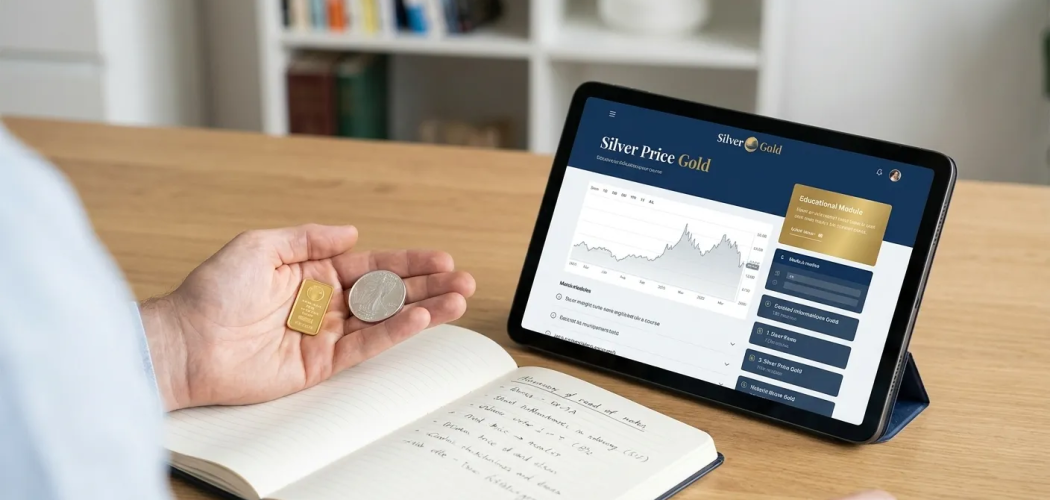
For many new investors, the world beyond traditional stocks and bonds can seem complex. However, the appeal of tangible assets like gold and silver is undeniable. If you’re considering investing in gold for beginners, you’re embarking on a journey towards a more diversified and potentially secure financial future. At Silver Price Gold, we understand that the first step is often the most challenging, especially when navigating confusing market information. Our goal is to simplify this process, offering clear, actionable insights to empower you. Consequently, you can confidently navigate precious metals investments.
Why Gold and Silver Appeal to New Investors
Gold and silver have captivated human interest for millennia. This is not just for their beauty, but for their intrinsic value and historical role as stores of wealth. For a cautious newbie like Sarah, seeking investments beyond a 401k, their tangible nature provides a sense of security that digital assets often lack. They are finite resources, globally recognized, and generally perform inversely to the stock market during times of economic instability. Therefore, they make excellent portfolio diversifiers. This ‘safe-haven’ characteristic is a primary reason why many turn to precious metals when seeking stability.
Understanding the Fundamentals: What Makes Precious Metals Valuable?
The value of gold and silver stems from a combination of factors. First, they possess scarcity. They are rare elements, with limited global supply. In addition, there is significant industrial demand. Silver, in particular, has extensive industrial applications in electronics, solar panels, and medicine, adding to its demand beyond investment. Historically, both have served as currency and a benchmark for wealth, embedding a deep-seated trust in their value. Moreover, they act as an inflation hedge. During periods of rising inflation, the purchasing power of fiat currencies erodes, while gold and silver often maintain or increase their value. Finally, geopolitical stability plays a role. In times of international conflict or uncertainty, investors often flock to precious metals, driving up their prices as a hedge against risk.
Practical Steps for Investing in Gold for Beginners
Starting your precious metals investment journey doesn’t have to be overwhelming. Here’s a structured approach:
- Educate Yourself Thoroughly: Before making any commitments, take the time to learn. Understand market dynamics, different investment vehicles (physical vs. paper), and storage options. Our platform is designed to be your guiding mentor through this initial phase.
- Define Your Investment Goals: Are you looking for long-term wealth preservation, portfolio diversification, or a hedge against inflation? Your goals will influence whether you prioritize gold, silver, or a combination, and in what form.
- Choose Your Investment Vehicle: This is a crucial step for anyone interested in investing in gold for beginners.
Physical Metals: Coins, Bars, and Bullion
Physical metals offer direct ownership and the ultimate tangible asset. Holding physical gold or silver can provide a strong sense of security, especially for those who distrust digital or paper assets. Common forms include bullion coins (like American Eagles or Canadian Maples) and bars. These items are typically purchased from reputable dealers. When considering physical assets, storage is a key factor. You can store them at home in a secure safe, or in a third-party depository. Each option has its own set of risks and benefits. For instance, home storage offers immediate access but carries security risks, while professional depositories offer high security but may involve fees. Importantly, always ensure your chosen dealer is trustworthy and transparent. Look for verified reviews and industry accreditations. This due diligence protects your investment from potential scams.
Paper Gold and Silver: ETFs and Mining Stocks
Alternatively, you can invest in precious metals without holding them physically. Exchange-Traded Funds (ETFs) that track the price of gold or silver offer an accessible way to gain exposure. These funds hold physical metal on behalf of investors, or track futures contracts. Consequently, they provide liquidity and ease of trading. Mining stocks represent another indirect investment. By purchasing shares in gold or silver mining companies, you invest in the potential for profit from their operations. However, mining stocks are subject to additional risks beyond commodity price fluctuations. These risks include operational challenges, geopolitical issues in mining regions, and management effectiveness. It is vital to research the financial health and management team of any mining company before investing. This approach suits those comfortable with stock market volatility and company-specific risks.
Gold and Silver IRAs: Retirement Planning with Precious Metals
For long-term investors, a Gold or Silver Individual Retirement Account (IRA) offers a tax-advantaged way to include precious metals in a retirement portfolio. These self-directed IRAs allow you to purchase physical gold, silver, platinum, or palladium bullion. The metals must meet specific fineness requirements set by the IRS. A custodian holds the physical assets on your behalf in an approved depository. This option combines the benefits of precious metal ownership with the tax advantages of an IRA. It is an excellent strategy for wealth preservation and diversification within a retirement plan. However, understanding the IRS regulations and choosing a reliable custodian are paramount. This ensures compliance and the security of your retirement savings.
Understanding Market Dynamics for Beginners
The price of gold and silver is influenced by a multitude of global factors. Economic indicators, such as interest rates and inflation data, play a significant role. For example, lower interest rates often make non-yielding assets like gold more attractive. Geopolitical events, including conflicts or political instability, also frequently drive up demand for safe-haven assets. Furthermore, currency fluctuations impact precious metal prices. A weaker U.S. dollar, for instance, tends to make gold more affordable for international buyers, thus increasing demand and price. Understanding these interconnections helps in making informed decisions. It allows you to anticipate potential price movements and adjust your strategy accordingly. Keeping an eye on global news and economic reports is therefore crucial for anyone investing in gold for beginners.
Risk Management and Diversification
While gold and silver are often considered safe havens, no investment is without risk. Prices can be volatile, influenced by market sentiment and sudden global events. Therefore, proper risk management is essential. Diversification is a core principle of sound investing. Precious metals should be part of a broader portfolio, not its entirety. This means balancing your precious metals holdings with other asset classes, such as stocks, bonds, and real estate. A well-diversified portfolio helps mitigate risk by ensuring that a downturn in one asset class doesn’t devastate your entire investment. For example, during periods of strong economic growth, stocks might outperform gold. Conversely, during recessions, gold might provide stability. Establishing clear investment goals and risk tolerance levels before you begin is also vital. This helps you make rational decisions, even when markets are turbulent. We encourage you to explore our Market Guides for deeper insights into various investment strategies.
The Importance of Reputable Dealers and Storage
Choosing the right dealer is crucial for a secure and transparent transaction. Look for dealers with a strong reputation, positive customer reviews, and clear pricing. Membership in industry organizations can also be a good indicator of credibility. Always compare prices from several dealers before making a purchase. This ensures you are getting a fair market price. When it comes to storage, consider your options carefully. Home storage offers convenience but carries risks like theft or damage. Insured third-party depositories provide high-level security and peace of mind. However, they come with storage fees. Understanding the costs and benefits of each option helps you make an informed decision that aligns with your comfort level and investment size. For more details on secure transactions, you might find our FAQ section helpful.
Building Your Knowledge Base with Silver Price Gold
At Silver Price Gold, we believe that informed investors are empowered investors. We provide a wealth of resources, from foundational articles to advanced market analysis, designed to guide you through every stage of your investment journey. Our expert-led platform simplifies complex topics, transforming confusing market information into clear, actionable insights. We aim to be your trusted mentor, helping you build confidence and competence in precious metals investments. Furthermore, we regularly update our content to reflect current market trends and provide timely advice. We invite you to explore our extensive collection of articles and guides. This commitment to education helps you make sound decisions, whether you are just starting or have some experience. For instance, understanding the nuances of the market is key to successfully investing in gold for beginners.
The Long-Term Perspective: Why Hold Gold and Silver?
Historically, gold and silver have demonstrated their value as long-term stores of wealth. They protect against inflation, currency devaluation, and economic uncertainty. Holding these tangible assets provides a hedge against unforeseen global events. For instance, during the 2008 financial crisis, many investors saw their paper assets decline significantly, while precious metals maintained or increased their value. This resilience makes them attractive for preserving purchasing power over decades. While short-term fluctuations are inevitable, the long-term trend for precious metals often reflects their intrinsic value and scarcity. Therefore, adopting a long-term mindset is crucial when considering these investments. This perspective helps you weather market volatility and focus on your overarching financial goals. Furthermore, it reinforces the wisdom of including precious metals in a diversified portfolio for generational wealth preservation.
Ultimately, investing in gold for beginners is about making informed choices that align with your financial objectives. It’s about taking control of your financial future with tangible assets. We are here to support you every step of the way. Our mission is to demystify precious metals investing, making it accessible and understandable for everyone. We strive to provide the knowledge and tools you need to build a resilient portfolio. Remember, patience and continuous learning are your greatest assets in this journey. For additional strategies and insights, consider resources like the World Gold Council for global market data or the Silver Institute for comprehensive silver market analysis. These external resources offer valuable perspectives to complement your learning. Additionally, understanding the global supply and demand dynamics from these authoritative sources can further enhance your investment decisions. This comprehensive approach ensures you are well-equipped for your investment journey.
In conclusion, the journey of investing in gold for beginners is an empowering one. It offers a pathway to financial diversification and security. By understanding the fundamentals, choosing appropriate investment vehicles, and managing risks effectively, you can confidently integrate precious metals into your portfolio. Silver Price Gold is committed to being your expert guide, simplifying complex information and fostering your confidence. Start building your tangible wealth today. Your financial future is a journey worth investing in with knowledge and foresight.
FAQ
What are the primary benefits of investing in precious metals?
Precious metals like gold and silver offer several key benefits. They serve as a hedge against inflation and economic uncertainty. They also provide portfolio diversification, as their value often moves inversely to traditional assets like stocks. Their tangible nature offers a sense of security.
How much of my portfolio should I allocate to gold and silver?
The ideal allocation varies based on individual financial goals and risk tolerance. Many financial advisors suggest allocating between 5% and 15% of a portfolio to precious metals. This provides diversification without overexposure. It is important to assess your personal circumstances before making a decision.
Is buying physical gold or silver better than investing in ETFs?
Both physical metals and ETFs have their advantages. Physical metals offer direct ownership and tangible security. ETFs provide liquidity and ease of trading without the need for physical storage. Your choice depends on your preference for direct ownership versus market exposure and convenience.
What are some common mistakes new precious metals investors make?
New investors sometimes make a few common mistakes. These include failing to research reputable dealers, neglecting storage considerations, or investing without a clear understanding of market dynamics. Over-allocating to precious metals without proper diversification is another pitfall. Always prioritize education and due diligence.
How do geopolitical events affect the price of gold?
Geopolitical events, such as international conflicts or political instability, typically increase demand for gold. Investors often view gold as a safe-haven asset during times of uncertainty. This increased demand drives up its price as people seek to protect their wealth.