

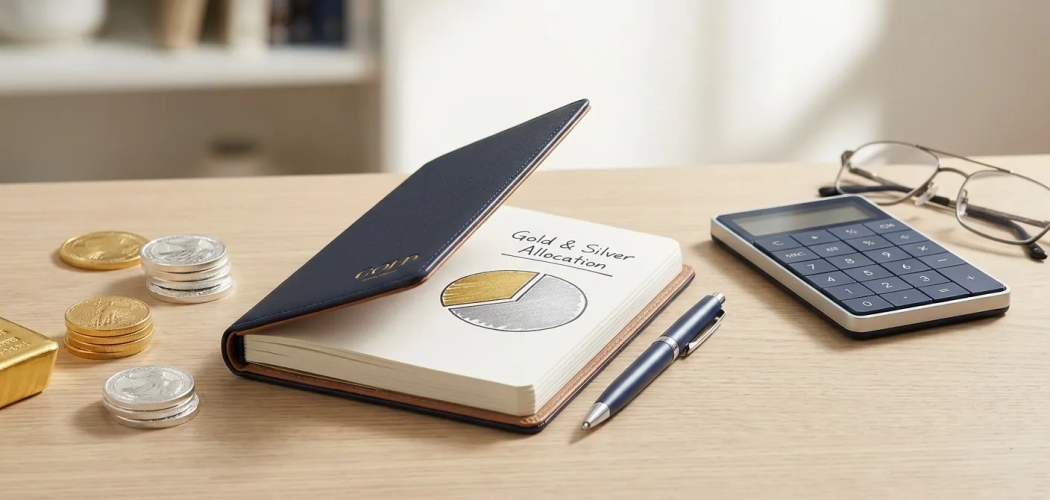
For new investors like Sarah, the concept of diversifying an investment portfolio extends beyond stocks and bonds. Integrating tangible assets like gold and silver offers a unique layer of stability and protection. Understanding gold silver portfolio allocation is key to building a resilient investment strategy, especially in today’s dynamic economic landscape. At Silver Price Gold, we believe in empowering you with clear, actionable insights to confidently structure your investments, ensuring precious metals serve as a true anchor in your financial plan.
Why Consider Gold & Silver for Your Portfolio?
Precious metals, particularly gold and silver, have historically demonstrated characteristics that make them invaluable components of a well-rounded portfolio. They are often seen as essential for financial resilience. Furthermore, these metals offer distinct advantages that traditional assets might lack.
- Inflation Hedge: When the cost of living rises, the purchasing power of fiat currencies can erode. Gold and silver often maintain or increase their value during inflationary periods, thereby protecting your wealth. This intrinsic value is a cornerstone of their appeal.
- Safe Haven Assets: During times of economic or geopolitical uncertainty, investors tend to flock to gold and silver, driving up their demand and price. They act as a safe haven when other asset classes falter, providing crucial stability.
- Diversification Tool: Precious metals often have a low or negative correlation with traditional assets like stocks and bonds. This means that when stocks go down, gold and silver may not, providing a counterbalance to market volatility. Consequently, they reduce overall portfolio risk.
Strategic Approaches to Gold & Silver Portfolio Allocation
Determining the ideal percentage of gold and silver in your portfolio isn’t a one-size-fits-all answer. It depends on individual financial goals, risk tolerance, and investment horizon. However, here are some common strategies and considerations to guide your decisions. Each approach offers a different level of exposure and potential benefit.
The Conservative Approach (5-10%)
For investors prioritizing capital preservation and moderate growth, a smaller allocation of 5-10% can provide adequate hedging. This percentage offers significant protection against inflation and market downturns without heavily impacting overall portfolio performance during bull markets for other assets. It’s an excellent starting point for cautious newbies like Sarah who are just beginning to integrate tangible assets. Moreover, this approach allows for gradual learning and adjustment.
The Balanced Approach (10-15%)
If you’re seeking a stronger hedge and greater diversification, a 10-15% allocation might be more suitable. This level provides a more substantial buffer against economic shocks and can contribute more noticeably to portfolio stability. It acknowledges the long-term value of precious metals while still allowing for growth in other sectors. This balanced strategy is often favored by those with a moderate risk appetite.
The Aggressive Hedging Approach (15-20%+)
In periods of high inflation, significant market uncertainty, or geopolitical instability, some investors choose a higher allocation, potentially exceeding 20%. This strategy aims for maximum protection and seeks to capitalize on potential price appreciation during turbulent times. However, this approach also comes with increased exposure to precious metal price fluctuations. Therefore, it is generally recommended for investors with a higher risk tolerance and a deep understanding of market dynamics.
Factors Influencing Your Precious Metals Holding Strategy
Beyond general allocation percentages, several specific factors should influence your personal approach to integrating gold and silver into your investments. Understanding these elements will help you refine your gold silver portfolio allocation to fit your unique situation.
Your Investment Goals and Horizon
Firstly, consider what you aim to achieve with your investments. Are you saving for retirement, a down payment, or simply aiming to preserve wealth? Your time horizon also plays a crucial role. Long-term investors might tolerate more volatility, while short-term goals may require a more conservative stance. Clearly defined goals inform your allocation choices.
Risk Tolerance
How comfortable are you with market fluctuations? Precious metals, while generally stable, still experience price swings. An investor with low risk tolerance might prefer a smaller allocation, whereas someone more comfortable with risk might opt for a larger one. Self-assessment of your risk tolerance is paramount for effective portfolio planning.
Current Economic Environment
The prevailing economic conditions significantly impact the attractiveness of precious metals. High inflation, low-interest rates, or geopolitical tensions often increase the demand for gold and silver. Conversely, a strong economy with rising interest rates might diminish their appeal as safe havens. Staying informed about global economic trends is therefore vital.
Existing Portfolio Composition
Examine your current holdings. If your portfolio is heavily weighted towards equities, adding precious metals can provide much-needed diversification. Conversely, if you already have significant exposure to other alternative assets, your precious metals allocation might be adjusted accordingly. A holistic view of your investments is always beneficial.
Understanding the Gold-to-Silver Ratio
When considering your gold silver portfolio allocation, the gold-to-silver ratio is an important metric. This ratio indicates how many ounces of silver it takes to buy one ounce of gold. Historically, the ratio has fluctuated significantly, offering insights into which metal might be undervalued or overvalued relative to the other. For example, a high ratio (meaning gold is expensive compared to silver) might suggest silver has more upside potential. Conversely, a low ratio might point to gold being a better value. Monitoring this ratio can help you make informed decisions about balancing your holdings between the two metals. This nuanced approach goes beyond simple percentage allocation.
Practical Steps for Implementing Your Allocation Strategy
Once you have a clearer idea of your ideal gold silver portfolio allocation, the next step is implementation. This involves practical considerations for acquiring and storing your precious metals.
Choosing Your Investment Vehicle
You have several options for investing in gold and silver:
- Physical Gold and Silver: This includes coins, bars, and rounds. Owning physical metal provides direct ownership and protection against counterparty risk. However, it requires secure storage.
- Precious Metal ETFs/ETNs: Exchange-Traded Funds or Notes offer exposure to gold and silver prices without the need for physical storage. They are liquid and easy to trade, similar to stocks.
- Mining Stocks: Investing in companies that mine gold and silver can offer exposure, but these investments carry additional risks related to company performance and operational challenges.
- Precious Metals IRAs: For retirement planning, a Gold IRA or Silver IRA allows you to hold physical precious metals within a tax-advantaged retirement account. This is a popular option for long-term wealth preservation.
Secure Storage Solutions
If you opt for physical precious metals, secure storage is paramount. Options include home safes (for small amounts), bank safe deposit boxes, or specialized third-party vaults. Reputable vaulting services often provide insurance for your holdings, offering peace of mind. Always research and choose a storage solution that aligns with your comfort level and investment size.
Regular Portfolio Review
Your investment strategy is not static. It requires periodic review and adjustment. Economic conditions change, your financial goals evolve, and market dynamics shift. Therefore, it’s crucial to revisit your gold silver portfolio allocation annually or whenever significant life events occur. Rebalancing your portfolio ensures it remains aligned with your objectives and risk tolerance. This proactive approach helps maintain the integrity of your investment plan.
Beyond the Basics: Advanced Considerations for Precious Metals Investing
For those looking to deepen their understanding, there are more advanced aspects to consider when integrating precious metals into an investment framework. These insights can further refine your approach to gold silver portfolio allocation.
Understanding Market Sentiment
Market sentiment, driven by news, economic data, and investor psychology, can significantly impact precious metal prices. For instance, heightened geopolitical tensions often lead to a surge in safe-haven demand for gold. Conversely, strong economic growth and rising interest rates might dampen enthusiasm for precious metals. Observing these trends can provide valuable context for your investment decisions. Resources like our News section can help you stay current.
The Role of Central Banks
Central banks worldwide are significant players in the gold market. Their buying and selling activities can influence global gold prices. Many central banks hold gold as part of their foreign reserves, viewing it as a store of value and a hedge against currency fluctuations. Understanding their motivations and actions provides another layer of insight into the broader precious metals market. This institutional demand underscores gold’s enduring importance.
Inflation Expectations and Real Interest Rates
Precious metals often perform well when real interest rates (nominal interest rates minus inflation) are low or negative. This is because gold and silver do not offer a yield, making them less attractive when traditional interest-bearing assets provide significant returns. Conversely, when real interest rates are low, the opportunity cost of holding non-yielding assets decreases, making gold and silver more appealing. Therefore, closely monitoring inflation expectations and central bank policies on interest rates is crucial for predicting precious metal performance.
Geopolitical Risk and Currency Devaluation
In an increasingly interconnected world, geopolitical events can have far-reaching economic consequences. Conflicts, trade wars, and political instability can erode investor confidence in traditional financial systems and fiat currencies. In such scenarios, gold and silver historically serve as a reliable store of value. Furthermore, concerns about currency devaluation, especially in times of aggressive monetary easing, often drive investors towards precious metals as a hedge against loss of purchasing power. This highlights their role as ultimate financial insurance.
Conclusion: Empowering Your Investment Journey with Precious Metals
Mastering your gold silver portfolio allocation is a powerful step towards building a resilient and diversified investment portfolio. By understanding the unique benefits of gold and silver—their role as inflation hedges, safe havens, and diversification tools—you can confidently integrate them into your financial strategy. Remember that your ideal allocation will evolve with your financial goals, risk tolerance, and the global economic landscape. At Silver Price Gold, our mission is to provide you with the knowledge and insights needed to navigate the precious metals market with assurance. We encourage you to continuously educate yourself and adjust your strategy as needed. For more detailed market analysis, consider exploring our Market Guides. Confidently taking control of your investments will lead to greater financial security.
FAQ: Common Questions About Precious Metals Investing
What is the recommended percentage of gold and silver in a portfolio?
There isn’t a single