

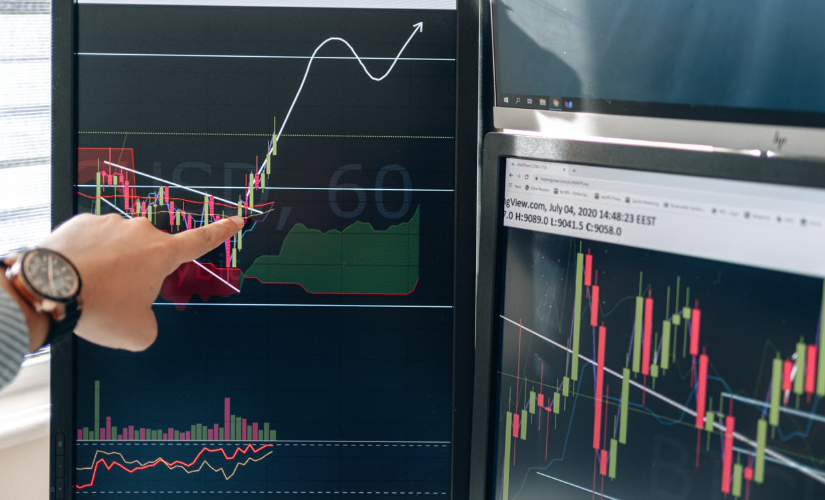
Entry and exit points are two of the most important parts of any trading plan because they decide when you act and when you step away. Many traders spend hours studying charts, trends, and market news, yet they still struggle to enter at the right moment or close a trade with confidence. This often happens because they do not have a clear process. As a result, they either chase price after the move has already started or hesitate until the opportunity disappears.
Missing a profitable setup can feel frustrating, especially when the chart later moves exactly as expected. However, the real problem is not always the analysis. Often, the issue comes from poor timing, emotional pressure, unclear rules, or weak trade preparation. When traders fix these areas, they can stop depending on luck and start making more consistent decisions.
A good trading plan does not guarantee every trade will win. No setup can do that. Still, it gives you a repeatable way to judge opportunity and risk. Therefore, your goal should not be to catch every move. Instead, your goal should be to recognize quality setups early, act when your rules confirm them, and exit when the trade no longer supports your plan.
Why Traders Miss Profitable Setups
Traders often miss profitable setups because they wait for perfect certainty. They want the market to prove the trade will work before they enter. However, by the time price looks completely safe, the best trade location may already be gone. This is why clear entry and exit points matter. They help you act based on rules instead of waiting for emotional comfort.
Fear also plays a major role. After a losing trade, many traders become too cautious. They may see a valid setup but still avoid it because the last result hurt their confidence. Although caution can protect capital, too much caution can block profitable decisions. Over time, this creates a painful cycle. The trader skips strong setups, watches them work, feels regret, and then forces a weaker trade later.
When Fear and Impatience Take Over
Impatience can be just as damaging as fear. Some traders enter too early because they worry about missing the move. They see price moving and assume they must act right away. Unfortunately, early entries often happen before confirmation. If price reverses, the trader takes a loss before the real setup even appears. Because of this, discipline must control both fear and excitement.
Poor preparation is another common cause. If you open your chart without knowing key levels, trend direction, and possible trade scenarios, you must make decisions under pressure. That pressure can cause delays, rushed entries, or uncertain exits. However, when you prepare before the session starts, you already know what you are waiting for. This makes your decisions faster and cleaner.
Build a Clear Trading Plan Before Price Moves
The best time to make trading decisions is before the market tests your emotions. If you wait until price is moving fast, your mind will often react instead of think. For that reason, you should define your trade plan before the setup appears. This includes your market bias, key levels, trigger conditions, stop placement, and profit target.
Start by identifying the market environment. Is price trending, ranging, breaking out, or reversing? This matters because each condition needs a different approach. A trend trader may look for pullbacks and continuation patterns. Meanwhile, a range trader may look for support and resistance reactions. If you do not understand the environment, you may use the wrong setup in the wrong place.
Mark the Levels That Matter Most
Next, mark important levels. These may include recent highs, recent lows, support zones, resistance zones, trendlines, moving averages, or previous breakout areas. These levels help you find logical trade locations. More importantly, they help you avoid random entries in the middle of unclear price action.
Once your levels are marked, define your setup. For example, you may need price to pull back into support, reject the level, and close back above a short-term moving average. Another trader may need a breakout, a retest, and a strong close in the breakout direction. The exact method can vary, but the rule must be clear enough to follow in real time.
Entry and exit points become easier to manage when each trade has a reason. Your entry should not come from hope or excitement. It should come from a trigger that matches your plan. Your exit should not come from panic. Instead, it should come from a target, an invalidation level, or a planned management rule.
Use Confirmation Without Waiting Too Long
Confirmation helps traders avoid weak setups, but too much confirmation can create hesitation. This balance is important. If you enter without confirmation, you may trade before the market is ready. However, if you wait for every possible signal, price may move too far before you act.
A useful confirmation signal should make the trade clearer, not slower. For example, a candle close above resistance can confirm a breakout. A rejection wick at support can confirm buyer interest. Higher volume can confirm stronger participation. A retest can also confirm that an old resistance level has turned into support.
Match Confirmation to Your Timeframe
Confirmation should fit your trading style. A scalper may need faster triggers because trades develop quickly. A swing trader can wait for stronger closes because the trade has more time to form. Therefore, your timeframe should guide how much confirmation you need.
Entry and exit points should also reflect the distance between your entry and stop. If confirmation comes too late, your stop may become too wide. That can weaken the trade because the reward may no longer justify the risk. In that case, the setup may still be correct, but the timing may no longer be attractive.
A good way to avoid this problem is to plan two entry zones. The first zone is the ideal entry area, where risk is smaller. The second zone is the confirmation entry, where price has already proven more strength. If price reaches the second zone but the reward is still strong, the trade may be valid. When the reward has disappeared, it is better to wait for the next setup.
Fix Exit Problems Before They Cost You Profit
Many traders focus too much on entries and not enough on exits. Yet exits often decide whether a good trade becomes a real gain. A trader may enter well but close too early because of fear. Another trader may hold too long because of greed. Both problems come from unclear exit planning.
Before entering any trade, decide where the trade idea becomes wrong. This is your invalidation point. If price reaches that level, the reason for the trade no longer exists. A stop-loss should usually sit near this area, not at a random amount of money. When your stop has a logical reason, it becomes easier to accept the loss and move on.
Set Targets Before Emotion Appears
You should also decide where price could reasonably go. This may be the next support level, next resistance level, measured move target, or previous swing high or low. A target does not need to be perfect. However, it should give you a realistic area for taking profit or managing the position.
Entry and exit points work best when they create a healthy risk-to-reward ratio. If you risk too much for too little potential gain, even accurate trades may not help your account. Many traders aim for trades where the potential reward is greater than the risk. However, the exact ratio depends on the strategy and win rate.
Partial exits can help traders manage emotion. For example, you may close part of the position at the first target and let the rest run. This can reduce pressure because some profit has already been secured. However, partial exits should still follow rules. If you take profits randomly, you may limit your best trades too often.
Review Missed Trades With a Simple Process
A missed trade can teach you more than a winning trade if you review it honestly. Instead of only feeling frustrated, write down what happened. Did the setup match your rules? Did you hesitate because of fear? Were you distracted when the signal appeared? Did you avoid the trade because the risk was unclear?
This review helps you separate real mistakes from normal missed opportunities. Not every trade you skip is a problem. If the setup did not meet your rules, skipping it was the right decision. However, if the setup matched your plan and you still failed to act, that is something to fix.
Use Screenshots to Spot Habits
Entry and exit points should be reviewed after each trading session. You can take screenshots of your charts and mark where you planned to enter, where you actually entered, and where you exited. Over time, this creates visual proof of your habits. You may notice that you enter late during breakouts, exit early near small pullbacks, or hesitate after losses.
A trading journal does not need to be complicated. Include the setup, entry reason, stop level, target, result, and emotional state. Also include missed trades that qualified under your rules. After several weeks, patterns will appear. These patterns reveal what needs improvement.
If you often miss trades because you are not prepared, create a pre-market checklist. When fear causes hesitation, reduce position size and focus on clean execution. If early exits keep hurting your results, review whether your targets are realistic and whether your risk feels too large. Each problem needs a specific fix.
Turn Better Timing Into a Repeatable Habit
Better timing comes from repetition, not one perfect insight. You need to follow the same process often enough that it becomes natural. Before trading, prepare your levels and scenarios. During trading, wait for your trigger. After trading, review your decisions. This routine may sound simple, but it can greatly improve consistency.
Entry and exit points should become part of a calm routine rather than a stressful reaction. When a setup appears, you should already know what to check. Does price meet the plan? Is the risk acceptable? Is the target realistic? If the answer is yes, you can act. If the answer is no, you can wait.
Stay Patient When the Market Moves Without You
Discipline also means accepting missed trades without chasing. Sometimes the market moves before you can enter. That is normal. If price has already traveled too far, the best decision may be to let it go. Chasing usually creates poor risk and emotional entries. There will always be another setup.
At the same time, discipline means taking valid trades even when they feel uncomfortable. If the trade meets your rules and risk limits, hesitation can become costly. You do not need perfect confidence. You need a plan strong enough to follow before the result is known.
Process goals can make this easier. For example, aim to follow your checklist on every setup. Also, record every qualified trade, even the ones you skip. Then, respect every stop and target rule. These goals are within your control, which makes them more useful than focusing only on profit.
Create Structure Around Every Trade
Over time, your timing improves because your behavior becomes more consistent. You stop reacting to every candle. You also stop chasing moves that already passed. Most importantly, you stop turning small mistakes into large losses. This is how a trader moves from random decisions to structured execution.
Fixing missed profitable trades is not about finding a secret indicator. It is about building clearer rules, preparing earlier, and reviewing honestly. Once you know what you are looking for, the market becomes less confusing. You may still miss some opportunities, but you will miss fewer of the ones that truly fit your plan.
Entry and exit points give your trading structure from beginning to end. They help you enter with purpose, manage risk with discipline, and exit before emotion takes control. When you combine them with preparation and review, they become more than chart locations. They become the foundation of better trading decisions.
The market will always move with uncertainty. No trader can control price. However, you can control how you prepare, when you act, and how you manage risk. If you build a repeatable process around entry and exit points, you give yourself a better chance to catch strong setups and protect your capital when the trade does not work.
FAQ
- Why do I keep missing good trade setups?
You may be missing good setups because your rules are unclear, your preparation is weak, or fear is slowing your decisions. A checklist can help you act faster when a trade qualifies.
- How can I improve my trade timing?
You can improve timing by marking key levels before the session, waiting for confirmation, and avoiding late entries after price has already moved too far.
- What is the best way to plan an exit?
The best way is to define your invalidation level and target before entering. This helps you avoid emotional exits once the trade is active.
- Should I enter as soon as I see a setup forming?
Not always. It is usually better to wait for your planned trigger. However, you should avoid waiting for so much confirmation that the reward disappears.
- How do I stop closing trades too early?
Use a written exit plan, reduce position size, and review whether fear is causing early exits. Partial profits or trailing stops may also help.