

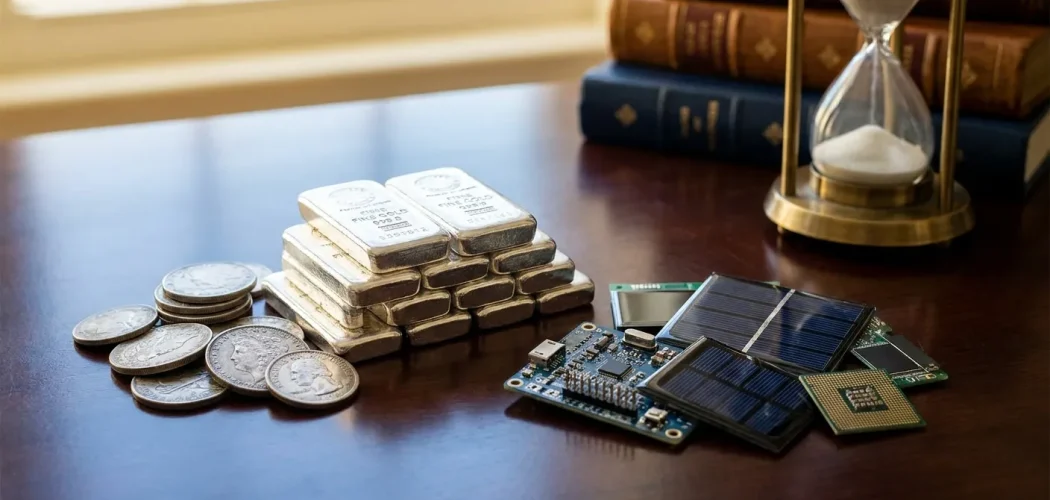
When considering precious metals for long-term financial planning, gold often takes center stage. However, silver offers a unique and compelling proposition, driven by both its monetary history and its critical role in modern industry. For investors like Sarah, who are exploring tangible assets beyond their 401k, understanding silver for long term wealth means appreciating its dual nature and significant growth drivers. At Silver Price Gold, we illuminate these unique attributes, helping you recognize silver’s potential as a powerful component of your wealth preservation strategy.
Historically, silver has served as a reliable store of value, much like gold. However, its industrial applications provide an additional layer of demand that sets it apart. This dual functionality makes silver particularly intriguing for those seeking diversification and robust growth potential within their investment portfolios. Therefore, understanding these intertwined aspects is crucial for any serious investor.
The Unseen Engine: Industrial Demand for Silver
Unlike gold, which is primarily seen as a monetary metal and store of value, silver boasts substantial industrial demand. This is a crucial differentiator and a powerful fundamental driver for its price. In 2025, industrial demand for silver reached an impressive 657.4 million ounces, accounting for approximately 58% of total silver demand. This isn’t a niche market; it’s foundational to numerous cutting-edge technologies and essential infrastructure.
Key industrial applications include:
- Electronics: Silver’s unmatched electrical conductivity makes it indispensable in everything from smartphones to high-performance computing.
- Photovoltaics (Solar Energy): As the world shifts towards renewable energy, silver is a vital component in solar panels, a demand that is only set to grow.
- Automotive Applications: Especially in electric vehicles (EVs), silver is used in various electrical contacts and components, benefiting from the global EV revolution.
- Grid Investment & AI-Related Infrastructure: The expansion of smart grids and the burgeoning demand for AI infrastructure further solidify silver’s industrial necessity.
This robust and growing industrial demand provides a strong floor for silver prices, offering a fundamental support that gold, to a lesser extent, does not possess. As global economies continue to digitize and prioritize green energy, silver’s industrial utility ensures its relevance and long-term demand. Consequently, this sustained industrial need significantly contributes to the overall appeal of silver as an investment.
Silver’s Volatility and Promising Outlook
The silver market is significantly smaller and less liquid than gold’s, which can lead to higher volatility. This means silver prices can experience more dramatic swings, both up and down, compared to gold. We saw this vividly in 2025 and early 2026. After gold surged approximately 65% in 2025, silver’s performance was even more remarkable, rising about 149.1% to 190%. This momentum continued into early 2026, with silver reaching an all-time high of $121.62 in January 2026.
However, this peak was followed by a deeper correction than gold’s, with silver dropping over 52% from its high by July 2026. This volatility, while potentially unnerving for new investors, also highlights silver’s significant upside potential when market conditions are favorable. For instance, understanding the broader News and how it impacts precious metals is crucial. Furthermore, the dynamic nature of silver’s price movements requires a strategic approach to investment.
Why Silver Outperforms During Bull Markets
Silver’s tendency to outperform gold during bull markets is a well-documented phenomenon. This characteristic, often referred to as the “leveraged play” on gold, stems from its dual demand profile. When investor confidence is high and industrial activity is robust, the demand for silver from both investment and industrial sectors surges simultaneously. This dual pressure can propel silver prices upwards at a faster rate than gold.
Conversely, during periods of economic contraction or uncertainty, silver’s industrial demand can wane, leading to sharper declines. Therefore, investors considering silver for long term wealth must acknowledge this inherent volatility. However, for those with a long-term perspective, these dips can present opportune buying moments.
Understanding the Gold-to-Silver Ratio
A key metric for evaluating silver’s relative value is the gold-to-silver ratio. This ratio indicates how many ounces of silver it takes to buy one ounce of gold. Historically, this ratio has fluctuated significantly, but it offers valuable insights into potential undervaluation or overvaluation of silver relative to gold. When the ratio is high, it suggests silver might be undervalued compared to gold, signaling a potential buying opportunity for those looking to acquire silver at a more favorable price.
Many analysts consider a high gold-to-silver ratio an indicator that silver is poised for a significant rebound. For instance, if the ratio is currently at 80:1, meaning it takes 80 ounces of silver to buy one ounce of gold, and the historical average is closer to 50:1, it implies silver has considerable room to appreciate relative to gold. This makes the current environment particularly interesting for those focused on building long-term wealth with precious metals.
Macroeconomic Factors Influencing Silver Prices
Several macroeconomic factors significantly influence silver prices, impacting its viability for long-term wealth accumulation. Interest rates, for example, play a critical role. When interest rates rise, the opportunity cost of holding non-yielding assets like silver increases, potentially reducing investor demand. Conversely, lower interest rates can make silver more attractive. Global economic growth is another major factor, directly affecting industrial demand for silver. A strong global economy generally translates to higher industrial output and, consequently, greater demand for silver in manufacturing and technology.
Inflationary pressures also tend to boost silver prices, as investors seek hard assets to preserve purchasing power. Geopolitical events and currency fluctuations can similarly impact silver’s value. For example, during times of uncertainty, investors often flock to safe-haven assets, including silver, driving up its price. Moreover, the supply side, influenced by Mining News and production levels, also plays a vital role in price determination. All these elements collectively shape the market for silver for long term wealth.
The Role of Silver in Diversified Portfolios
Diversification is a cornerstone of sound investment strategy, and precious metals like silver offer a unique way to achieve this. Including silver in a diversified portfolio can help mitigate risks associated with traditional financial assets such as stocks and bonds. Silver often exhibits a low correlation with these assets, meaning its price movements are not always aligned with the broader market. This characteristic provides a valuable hedge against market downturns.
Furthermore, silver serves as an excellent inflation hedge. As the cost of living rises, the purchasing power of fiat currencies erodes. Tangible assets like silver, with their intrinsic value, tend to retain or even increase in value during inflationary periods. Therefore, allocating a portion of your portfolio to silver can protect your wealth from the corrosive effects of inflation. It is a strategic move for those aiming for silver for long term wealth.
How Silver Complements Gold
While both gold and silver are precious metals, they often play distinct roles in an investment portfolio. Gold is primarily viewed as a safe-haven asset and a store of value, especially during times of economic and political instability. Silver, on the other hand, offers the added dimension of industrial demand, which can provide additional upside during periods of economic growth. Many investors find that holding both metals creates a more robust and balanced precious metals allocation.
For example, gold might provide stability during a recession, while silver could offer significant growth potential during the subsequent recovery. This complementary relationship allows investors to benefit from different market conditions. Consequently, a portfolio that includes both gold and silver is often more resilient and poised for growth. This dual approach is particularly effective when planning for long-term financial security.
Investing in Physical Silver vs. Paper Silver
When considering silver for long term wealth, investors have several options: physical silver (coins, bars) or paper silver (ETFs, mining stocks, futures contracts). Each option has its advantages and disadvantages. Physical silver offers direct ownership and removes counterparty risk, providing a tangible asset that can be held outside the financial system. This appeals to investors seeking maximum security and independence.
However, physical silver requires storage solutions and can incur additional costs for insurance and secure keeping. Paper silver, conversely, offers liquidity and ease of trading, allowing investors to participate in silver price movements without the complexities of physical ownership. Yet, it introduces counterparty risk and does not provide the same tangible security. The choice between physical and paper silver depends on individual investment goals, risk tolerance, and storage preferences. The Silver Institute provides valuable data on global silver demand and supply trends, aiding investors in their decisions. Furthermore, understanding the nuances of these investment vehicles is paramount.
The Future of Silver: A Promising Horizon
The outlook for silver remains highly promising, underpinned by several powerful long-term trends. The global push towards decarbonization and renewable energy sources, particularly solar power, ensures a sustained and growing demand for silver. As nations commit to ambitious climate goals, the production of solar panels will continue to expand, consuming significant quantities of silver. This environmental imperative forms a strong fundamental driver for the metal.
Moreover, the ongoing technological revolution, including advancements in AI, 5G networks, and electric vehicles, will further solidify silver’s industrial relevance. These technologies rely heavily on silver’s superior conductivity and unique properties. Consequently, the convergence of environmental and technological trends positions silver for long term wealth as an increasingly attractive asset. Investors should carefully consider these macro forces.
Emerging Markets and Silver Demand
The rise of emerging economies also plays a crucial role in the future demand for silver. As countries in Asia, Africa, and Latin America continue to industrialize and their middle classes expand, the demand for consumer electronics, automotive components, and infrastructure projects will surge. This growth translates directly into increased industrial demand for silver. Therefore, the economic development of these regions offers a significant tailwind for silver prices.
Furthermore, cultural preferences for precious metals in many emerging markets also contribute to investment demand. This dual impact from industrialization and cultural affinity creates a powerful demand dynamic for silver globally. For example, reports like those from the World Gold Council often highlight the interplay of global economic growth and precious metals demand, which indirectly affects silver.
Navigating Market Corrections and Opportunities
While silver’s long-term outlook is positive, investors must be prepared for market corrections. As seen in past cycles, silver’s volatility can lead to significant price drops. However, for the astute investor focused on silver for long term wealth, these corrections can represent excellent opportunities to accumulate more silver at lower prices. Adopting a dollar-cost averaging strategy can be particularly effective in mitigating the impact of short-term price fluctuations.
Instead of trying to time the market, consistently investing a fixed amount over time allows investors to buy more silver when prices are low and less when prices are high, ultimately reducing the average purchase price. This disciplined approach helps build a substantial position over the long haul, leveraging silver’s long-term growth trajectory. Patiently navigating these market dynamics is key to success.
Conclusion: Silver’s Enduring Appeal for Wealth Building
Silver’s unique blend of monetary history and critical industrial utility makes it an indispensable component of a well-diversified investment portfolio. From its role in cutting-edge electronics and renewable energy to its potential as an inflation hedge and a leveraged play on gold, silver offers compelling reasons for inclusion in your long-term wealth strategy. While its volatility demands a thoughtful approach, the fundamental drivers of demand and its historical performance during bull markets underscore its significant potential.
At Silver Price Gold, we empower you with the knowledge and insights needed to confidently navigate the precious metals market. Understanding the dual power of silver – its industrial engine and its wealth preservation capabilities – is the first step toward securing your financial future. Consider silver not just as an alternative, but as a primary pillar in your pursuit of enduring wealth. Embracing silver for long term wealth can truly fortify your financial standing.
FAQ
What makes silver a good long-term investment?
Silver is considered a strong long-term investment due to its dual demand profile. It serves as both a monetary metal, offering wealth preservation, and a critical industrial metal used in electronics, solar panels, and electric vehicles. This robust industrial demand provides a fundamental floor for its price, while its monetary history offers protection against inflation and economic uncertainty.
How does silver’s industrial demand affect its price?
Industrial demand is a significant driver of silver’s price. Unlike gold, a large percentage of silver’s annual demand comes from manufacturing and technology sectors. As global economies grow, digitize, and transition to green energy, the demand for silver in these applications increases, providing consistent upward pressure on its price. This industrial utility makes it less reliant solely on investor sentiment.
Is silver more volatile than gold?
Yes, silver is generally more volatile than gold. The silver market is smaller and less liquid, meaning that price movements can be more pronounced. While this volatility can lead to sharper declines during downturns, it also means silver can experience more significant gains during bull markets, often outperforming gold in such conditions. Investors should be prepared for these price swings.
Should I invest in physical silver or silver ETFs?
The choice between physical silver and silver ETFs depends on your investment goals and risk tolerance. Physical silver, such as coins and bars, offers direct ownership and eliminates counterparty risk, appealing to those seeking tangible assets. However, it requires secure storage. Silver ETFs provide liquidity and ease of trading but involve counterparty risk as you don’t directly own the metal. Each option has distinct advantages for building wealth with silver.
What role does the gold-to-silver ratio play in investing?
The gold-to-silver ratio is a key indicator that shows how many ounces of silver are needed to buy one ounce of gold. A high ratio often suggests that silver is undervalued relative to gold, potentially signaling a good buying opportunity. Conversely, a low ratio might indicate silver is overvalued. Monitoring this ratio helps investors make informed decisions about allocating between the two precious metals for their portfolios.

