

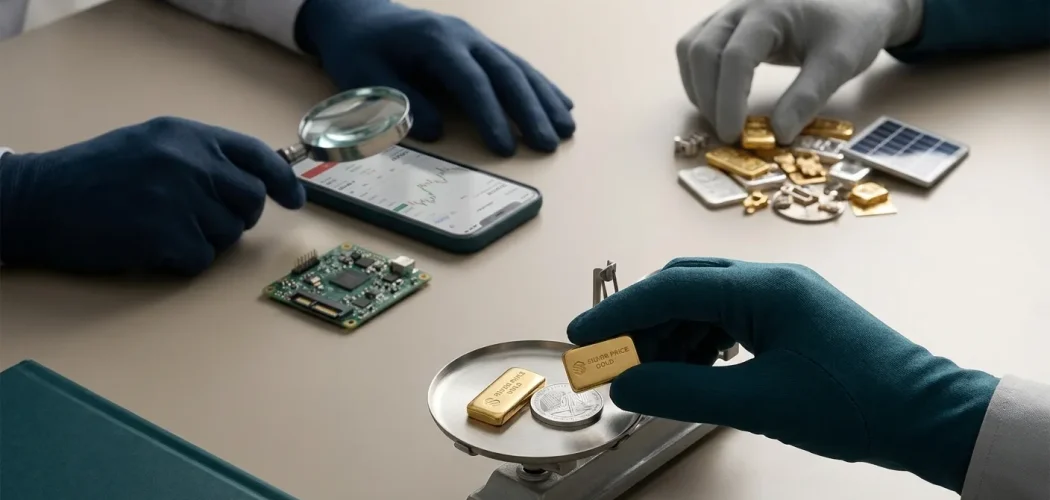
Understanding why gold and silver prices move the way they do is fundamental for any investor. Beyond the daily fluctuations, powerful gold silver demand drivers are constantly at play, shaping the long-term trajectory and short-term volatility of these precious assets. For those new to precious metals, like Sarah, demystifying these forces provides clarity and confidence, transforming market noise into actionable insights. At Silver Price Gold, we believe that grasping these underlying mechanics is crucial to becoming a truly informed investor.
Central Bank Accumulation: A Steadfast Pillar of Gold Demand
One of the most significant and sustained forces in the gold market has been central bank demand. This isn’t a fleeting trend; it’s a strategic shift. For example, in 2025, central banks acquired approximately 863 tonnes of gold, with nations like Poland, Kazakhstan, Brazil, and China leading the charge. This trend continued into 2026, averaging 1,000 tonnes of gold purchases annually for four consecutive years. A World Gold Council survey in 2025 revealed that 95% of central banks expected global gold reserves to increase in 2026, a figure that climbed to 45% planning to increase their own reserves in a 2026 survey. This consistent accumulation is a clear move to diversify foreign exchange reserves and reduce reliance on the U.S. dollar, acting as a powerful precious metals market influence.
Furthermore, central banks often view gold as a reliable store of value, especially during times of geopolitical uncertainty or economic instability. Their actions are not speculative; instead, they are driven by long-term strategic objectives for national economic security. Consequently, their steady buying provides a robust foundation for gold prices, offering a counter-balance to other more volatile market forces. This institutional interest highlights gold’s enduring appeal as a reserve asset, cementing its role in global finance.
Industrial Demand: Silver’s Engine of Growth
While gold’s primary role is often seen as a monetary and safe-haven asset, silver boasts a dual identity, with robust industrial demand acting as a major price factor. In fact, in 2025, industrial applications consumed a staggering 657.4 million ounces of silver, accounting for approximately 58% of its total demand. This isn’t just about traditional uses; it’s about cutting-edge technology. Key sectors include electronics, the rapidly expanding photovoltaics (solar energy) industry, automotive applications (particularly electric vehicles), grid infrastructure investment, and the burgeoning AI-related infrastructure. This strong, growing industrial requirement provides a solid floor for silver prices and contributes to its promising outlook, even amidst market corrections like the one seen in July 2026. For more details on recent market movements, you can review Silver News August 2026.
Moreover, the technological advancements across various industries mean that silver’s utility is only expanding. For instance, the push towards renewable energy sources directly translates into increased demand for silver in solar panels. Similarly, the electrification of the automotive sector requires significant amounts of silver for various electronic components. Therefore, understanding these industrial needs is crucial for comprehending silver’s unique position among precious metals. These demands are powerful influences on precious metals pricing.
Macroeconomic Factors: Inflation, Interest Rates, and Global Uncertainty
Beyond direct demand, broader macroeconomic conditions are critical gold silver demand drivers. Precious metals are traditionally viewed as a hedge against inflation. Indeed, gold’s performance in 2025 amidst persistent inflation highlighted this role. However, the relationship is nuanced. Accelerating inflation can sometimes lead to expectations of higher short-term interest rates, which can paradoxically push precious metal prices lower as non-yielding assets become less attractive. Conversely, if interest rates decline while inflation remains elevated, the appeal of gold and silver typically strengthens, as explored in our article on Interest Rates and Gold: How Rates Affect Prices.
Global uncertainty, including geopolitical tensions and economic instability, also significantly impacts precious metal demand. During times of crisis, investors often flock to safe-haven assets, boosting prices. For example, concerns over economic stability or international conflicts can lead to a surge in buying. Furthermore, currency fluctuations play a role. A weaker U.S. dollar generally makes gold and silver more affordable for international buyers, thus increasing demand. These complex interactions demonstrate that multiple factors influence the market.
The Role of Investment Demand: ETFs, Futures, and Physical Holdings
Investment demand represents another crucial component influencing precious metal values. This category encompasses a broad spectrum of activities, from institutional investments in exchange-traded funds (ETFs) and futures contracts to individual purchases of physical bullion. For instance, strong inflows into gold-backed ETFs signal a bullish sentiment among larger investors, indicating confidence in gold’s future performance. Conversely, outflows can suggest a shift away from precious metals.
Individual investors, often motivated by wealth preservation or speculative gains, also contribute significantly. The desire to hold physical gold and silver as a hedge against currency devaluation or systemic financial risk remains a constant. Consequently, retail demand for coins and bars can surge during periods of economic anxiety, providing a floor for prices. Therefore, monitoring both institutional and retail investment trends offers valuable insights into the broader market sentiment and future precious metals price movements.
Mining Supply Dynamics: Production, Discovery, and Costs
While this article primarily focuses on demand, it is essential to acknowledge that supply-side factors also influence precious metal prices. The dynamics of mining production, including new discoveries, extraction costs, and geopolitical stability in mining regions, play a significant role. Limited new discoveries and increasing extraction costs can constrain supply, potentially pushing prices higher if demand remains constant or grows. Conversely, technological advancements that lower mining costs or the discovery of large new deposits could increase supply.
Moreover, environmental regulations and labor issues in major mining countries can affect production levels. These supply-side elements interact with the various gold silver demand drivers to establish market equilibrium and ultimately determine prices. Investors should consider these factors alongside demand trends to form a comprehensive understanding of the precious metals market. You can read more about the sector in our Mining News, Mining Stocks, Junior Mining section.
Technological Advancements and Emerging Markets
Technological advancements, as mentioned in the context of industrial demand for silver, are continuous and evolving. The development of new applications for both gold and silver can create entirely new demand streams. For example, advancements in medical technology or nanotechnology could lead to innovative uses for these metals, generating fresh demand. This continuous innovation underlines the dynamic nature of industrial consumption.
Additionally, the economic growth of emerging markets, particularly in Asia, profoundly impacts gold and silver consumption. Rising disposable incomes in these regions often translate into increased demand for jewelry, as well as a greater appetite for investment in precious metals. Cultural significance also plays a role, with gold often being an integral part of traditions and celebrations. Thus, the economic trajectory of these markets is a crucial factor in global precious metals demand.
The Impact of Geopolitical Events on Precious Metals Demand
Geopolitical events are undeniable gold silver demand drivers. Conflicts, trade wars, political instability, and even major elections can trigger shifts in investor sentiment, leading to a flight to safety. When global tensions escalate, investors often seek the perceived security of gold and silver, driving up their prices. For instance, an unexpected political crisis in a major economic power can cause immediate reactions in the precious metals market, as investors seek to protect their wealth from potential economic fallout.
Similarly, changes in international relations or the imposition of new sanctions can create uncertainty, reinforcing the role of gold as a hedge. These events are often unpredictable, making precious metals a preferred asset during turbulent times. The reaction of the market to such events underscores the importance of monitoring global political developments. For example, a recent Reuters Ipsos poll discussed US support for Iran war, which could have implications for market stability.
Currency Fluctuations: A Silent Influence
The value of the U.S. dollar, in particular, exerts a significant influence on the price of gold and silver. Since precious metals are typically priced in dollars, a weaker dollar makes them relatively cheaper for holders of other currencies, thereby increasing demand. Conversely, a stronger dollar can make them more expensive, potentially dampening demand. This inverse relationship is a fundamental concept for precious metals investors.
Central bank monetary policies, including interest rate decisions and quantitative easing programs, also affect currency strength. These policy choices can therefore indirectly impact precious metal prices by influencing the dollar’s value. Understanding these currency dynamics is crucial for anticipating price movements. For a broader perspective on market influences, consider exploring analyses such as the World Gold Council’s insights on global gold demand trends or the Silver Institute’s reports on silver supply and demand. These external resources provide comprehensive data that complements our analysis. The World Gold Council offers extensive data on global gold demand. Additionally, The Silver Institute provides valuable insights into silver market dynamics.
Understanding Market Sentiment and Speculation
Finally, market sentiment and speculative activity contribute to the daily fluctuations and short-term volatility in gold and silver prices. Investor perceptions, media narratives, and the actions of large speculative traders can create momentum, either pushing prices up or down. While not fundamental demand drivers in the same way as industrial use or central bank buying, sentiment can amplify or dampen the effects of other factors. For example, a sudden wave of positive news could lead to a speculative rally, even if underlying fundamentals haven’t drastically changed.
Understanding these psychological and speculative elements is vital for short-term trading strategies. However, for long-term investors, focusing on the underlying fundamental gold silver demand drivers provides a more stable and reliable framework for decision-making. At Silver Price Gold, we empower you with the knowledge to discern between fleeting market noise and enduring trends. By focusing on these core principles, you can build a more resilient and informed investment strategy in precious metals.
Conclusion: Navigating the Precious Metals Landscape with Confidence
In conclusion, the prices of gold and silver are not arbitrary; they are the result of complex interactions among a multitude of powerful forces. From the strategic accumulation by central banks and the robust industrial consumption of silver to the overarching influence of macroeconomic conditions and geopolitical events, numerous gold silver demand drivers are constantly at play. For investors, whether beginners or seasoned professionals, comprehending these underlying mechanics is not merely academic. It provides the clarity and confidence needed to navigate the precious metals market effectively.
At Silver Price Gold, we emphasize that an informed investor is an empowered investor. By understanding these unseen hands shaping precious metals prices, you are better equipped to make strategic decisions, mitigate risks, and capitalize on opportunities. Our commitment is to provide you with the expert insights and reliable education necessary to confidently build your wealth in gold and silver. Equip yourself with this knowledge, and transform market complexity into a pathway for informed investment success.
FAQ
What are the primary factors influencing gold and silver prices?
The primary factors include central bank demand, industrial applications, macroeconomic conditions such as inflation and interest rates, geopolitical events, and investment demand from both institutional and retail sectors. These elements collectively shape market dynamics for precious metals.
How do central banks affect the gold market?
Central banks significantly impact the gold market through their consistent accumulation of gold reserves. They view gold as a strategic asset for diversification and a hedge against economic instability, thereby providing a strong foundation for gold prices.
What makes silver’s demand unique compared to gold?
Silver’s demand is unique due to its dual identity as both a monetary asset and a crucial industrial metal. A significant portion of its demand comes from cutting-edge technologies like solar energy, electronics, and electric vehicles, providing a robust industrial base.
How do interest rates and inflation impact precious metals?
Precious metals are often seen as a hedge against inflation. However, higher interest rates can make non-yielding assets like gold and silver less attractive. Conversely, lower rates or persistent inflation typically increase their appeal as stores of value.
Why is understanding these market influences important for investors?
Understanding these market influences is vital for investors because it provides clarity and confidence, allowing them to differentiate between short-term market noise and long-term trends. This knowledge helps in making informed strategic decisions and building a resilient investment portfolio.
Can geopolitical events cause significant shifts in precious metals prices?
Yes, geopolitical events such as conflicts, political instability, and trade wars can cause significant shifts. Investors often seek the safety of gold and silver during turbulent times, leading to increased demand and upward pressure on prices.

