

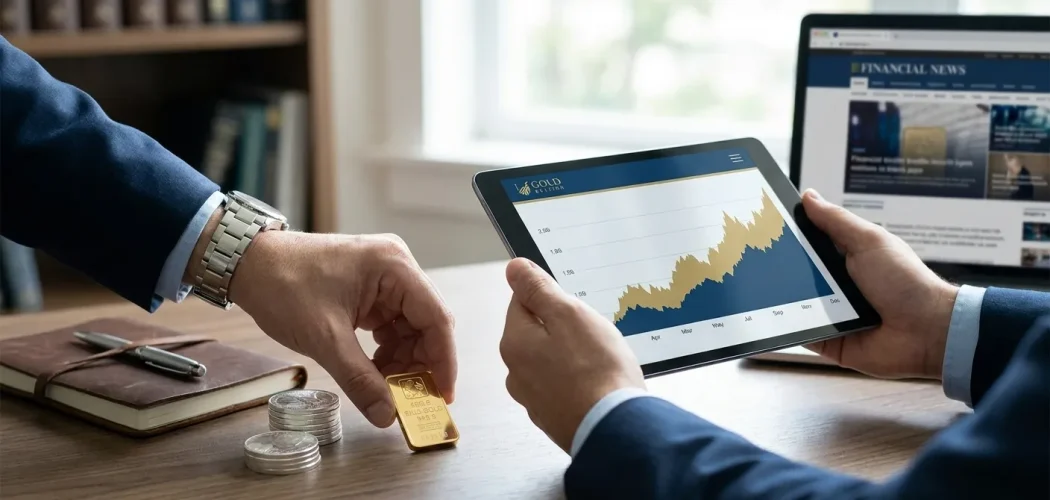
Many new investors, like Sarah, are looking beyond traditional retirement accounts to diversify their wealth and invest in tangible assets. Gold and silver, with their long history as stores of value, often come to mind. Yet, the thought of starting can feel overwhelming, especially with so much conflicting information out there. This guide will walk you through essential beginner gold silver strategies, making your entry into precious metals investing clear, confident, and empowering.
Why Precious Metals? Core Strategic Roles
Before diving into how to invest, it’s crucial to understand why gold and silver are considered valuable additions to a portfolio. Their strategic roles are multifaceted and have been proven over centuries.
Diversification: Balancing Your Portfolio
Precious metals often move independently of stocks and bonds. Consequently, they make excellent tools for portfolio diversification. When traditional markets face downturns, gold and silver can act as a counterbalance, helping to stabilize your overall investment portfolio. This means reducing overall risk without necessarily sacrificing potential returns. Furthermore, incorporating these assets can provide a more robust and resilient investment structure.
Wealth Preservation: A Historical Anchor
In times of economic uncertainty or currency devaluation, gold and silver have historically preserved purchasing power. They are tangible assets that cannot be printed or devalued by central banks in the same way fiat currencies can. In fact, this makes them a reliable hedge against systemic financial risks. Historically, they have served as a store of value across civilizations, offering a sense of security during turbulent periods.
Inflation Protection: Safeguarding Purchasing Power
As seen in 2025, when gold performed strongly amidst persistent inflation, precious metals serve as a potent hedge against rising costs of living. When the value of money erodes, the intrinsic value of gold and silver tends to increase, protecting your wealth from inflationary pressures. Indeed, in 2025 and 2026, precious metals are widely considered a strategic asset for diversification, wealth preservation, and protection against economic instability. For more insights on gold’s performance, consider our Gold: ‘You’re Not Bullish Enough’ analysis.
Getting Started: Practical Beginner Gold Silver Strategies
Ready to take the plunge? Here are practical steps to embark on your precious metals journey. These practical precious metal investment approaches will help you build a solid foundation.
Determine Your Goals: Defining Your Investment Path
Before buying, clarify what you want to achieve. Are you looking for long-term wealth preservation, short-term gains, or portfolio diversification? Your goals will influence the type of precious metals investment that’s right for you. For instance, a long-term wealth preservation goal might favor physical bullion, while short-term trading might lean towards ETFs. Understanding your objectives is the first step toward effective precious metal investment planning.
Understand Your Options: Diverse Avenues for Investment
There are several ways to gain exposure to gold and silver. Each method offers distinct advantages and considerations.
- Physical Bullion: This involves owning actual gold and silver coins or bars. It offers direct ownership and removes counterparty risk, but requires secure storage and insurance. Many investors find comfort in the tangible nature of physical assets.
- Exchange-Traded Funds (ETFs) and Exchange-Traded Commodities (ETCs): These are funds that hold physical gold or silver, or futures contracts, and trade on stock exchanges. They offer liquidity and convenience, yet they do not provide direct ownership of the physical metal. Investors should research the specific fund’s structure to understand its holdings and fees.
- Mining Stocks: Investing in companies that mine gold and silver can offer exposure to the sector. However, these investments are subject to company-specific risks, operational challenges, and market fluctuations beyond just the metal price. For those interested in this avenue, our Mining News, Mining Stocks, Junior Mining section provides valuable information.
- Futures and Options: These are sophisticated financial instruments that allow investors to speculate on the future price of gold and silver. They offer significant leverage but also carry substantial risk and are generally not recommended for beginners.
- Gold and Silver Certificates: These represent ownership of a certain amount of physical metal held by a third party. They offer convenience, but it’s crucial to understand the issuer’s credibility and storage arrangements.
Start Small: Incremental Investment Approaches
You don’t need a large sum to begin investing in precious metals. Many reputable dealers offer smaller denominations of coins and bars, making it accessible for new investors. Starting with a modest amount allows you to learn the ropes without significant financial exposure. Over time, you can gradually increase your holdings as your confidence and understanding grow. This measured approach is a wise component of any effective precious metal investment plan.
Choose Reputable Dealers: Ensuring Trust and Security
When purchasing physical bullion, selecting a trusted dealer is paramount. Look for dealers with a strong reputation, transparent pricing, and excellent customer service. Check for certifications and affiliations with industry organizations. Researching reviews and asking for recommendations can also help you make an informed choice. Always be wary of deals that seem too good to be true, as they often are.
Secure Storage: Protecting Your Physical Assets
If you opt for physical bullion, secure storage is essential. Options include home safes, safe deposit boxes at banks, or specialized third-party vaults. Each option has its own benefits and drawbacks regarding accessibility, cost, and insurance. Consider your comfort level and the value of your holdings when deciding on the best storage solution. Proper storage is a crucial aspect of responsible precious metal ownership.
Building Your Precious Metals Portfolio: Advanced Considerations for Beginners
As you become more comfortable with the initial steps, you can begin to refine your precious metal investment strategy. These further considerations will help you build a robust and well-thought-out portfolio.
Dollar-Cost Averaging: A Prudent Investment Technique
Dollar-cost averaging involves investing a fixed amount of money at regular intervals, regardless of the asset’s price. This strategy helps mitigate the risk of buying all your assets at a market peak. By averaging out your purchase price over time, you can reduce the impact of short-term price fluctuations. It’s a disciplined approach that can be particularly effective for long-term investors in precious metals.
Understand Market Influences: Factors Affecting Prices
The prices of gold and silver are influenced by a variety of global economic and geopolitical factors. These include interest rates, inflation expectations, currency strength, and geopolitical stability. For example, higher interest rates can sometimes make non-yielding assets like gold less attractive. Conversely, periods of high inflation often see precious metals perform strongly. Staying informed about these macro trends can help you make more informed decisions. You can find related discussions in our article on Interest Rates and Gold: How Rates Affect Prices.
Diversify Within Precious Metals: Beyond Just Gold and Silver
While gold and silver are the most common precious metals for investment, platinum and palladium also hold significant value. These industrial metals have unique supply and demand dynamics, often driven by their use in automotive catalytic converters and other industrial applications. Including them in your portfolio can offer further diversification and exposure to different market drivers. However, their markets can be less liquid than gold and silver.
Regularly Review Your Portfolio: Adapting to Change
Your investment goals and market conditions can change over time. Therefore, it’s wise to regularly review your precious metals holdings. Assess whether your current allocation still aligns with your objectives and risk tolerance. This doesn’t mean constantly trading, but rather periodically checking in and making adjustments if necessary. A proactive approach ensures your investment strategy remains relevant.
Beware of Scams and Overpriced Products: Due Diligence is Key
The precious metals market, like any investment arena, can attract bad actors. Be vigilant against high-pressure sales tactics, promises of unrealistic returns, and products with excessive premiums. Always conduct thorough due diligence on dealers, products, and investment schemes. Educate yourself to recognize red flags and protect your investments. Trust your instincts; if something feels off, it probably is.
The Long-Term Perspective: Enduring Value of Precious Metals
Investing in gold and silver is often viewed as a long-term strategy, focusing on wealth preservation and protection against systemic risks rather than short-term gains. Their intrinsic value and historical role as money have endured through countless economic cycles. This enduring appeal makes them a cornerstone for many seeking financial stability and autonomy.
As you embrace these beginner gold silver strategies, remember that education is your most powerful tool. Continuously learning about market dynamics, economic indicators, and different investment vehicles will empower you to make sound decisions. The journey of investing in precious metals is a marathon, not a sprint, and with patience and knowledge, you can build a resilient and thriving portfolio.
For those closely tracking market movements, our Silver News August 2026 provides timely updates. Furthermore, understanding the broader economic landscape is crucial; for instance, the Federal Reserve’s actions often influence precious metals. You can learn more about related economic discussions from sources like the Federal Reserve itself, which offers insights into monetary policy that impacts market trends.
In conclusion, embarking on your precious metals investment journey with these beginner gold silver strategies provides a clear, confident, and empowering path. By understanding the core roles of gold and silver, determining your goals, exploring various investment options, and committing to continuous learning, you can build a resilient portfolio designed to preserve and grow your wealth for the future. Remember, smart investing begins with knowledge and a well-defined plan. Another valuable resource for market data and analysis can be found at the Kitco News website, which offers extensive coverage of precious metals markets.
FAQ: Common Questions About Investing in Precious Metals
What are the first steps for new investors in precious metals?
New investors should first define their investment goals, such as wealth preservation or diversification. Next, they should understand the different ways to invest, including physical bullion, ETFs, or mining stocks. Starting with a smaller investment and choosing reputable dealers are also crucial initial steps for precious metal investment.
How do gold and silver protect against inflation?
Gold and silver are tangible assets whose value tends to increase when the purchasing power of fiat currencies declines due to inflation. They act as a hedge, meaning their prices often rise as the cost of living increases, thus preserving an investor’s wealth. This makes them a strong component of a diversified portfolio.
Is it better to buy physical gold and silver or invest in ETFs?
The choice between physical metals and ETFs depends on your goals. Physical bullion offers direct ownership and no counterparty risk, but requires secure storage. ETFs provide liquidity and convenience without needing physical storage, but you don’t directly own the metal. Many investors use a combination of both in their precious metal investment strategy.
What are the risks associated with investing in gold and silver?
While often seen as safe havens, gold and silver prices can still fluctuate. Risks include price volatility, storage costs and security concerns for physical bullion, and counterparty risk with certain financial products. Additionally, market sentiment and economic factors can influence their value. It’s important to understand these before making a precious metal investment.
How much of my portfolio should be allocated to precious metals?
There’s no one-size-fits-all answer, as allocation depends on individual financial goals, risk tolerance, and overall portfolio structure. Many financial advisors suggest allocating between 5% and 15% of a portfolio to precious metals for diversification and wealth preservation. However, it’s always best to consult with a financial expert to tailor a strategy specific to your needs.

