

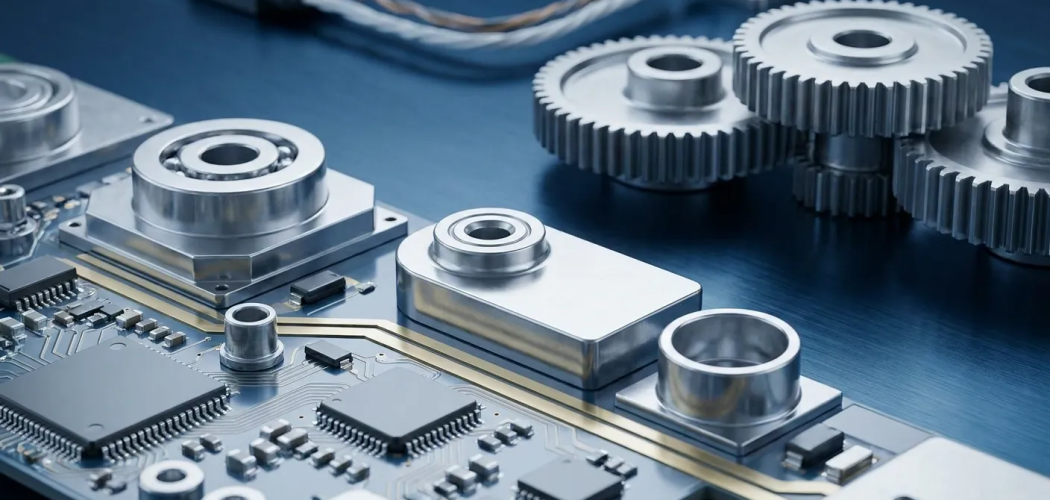
For new investors like Sarah, silver often stands in gold’s shadow, but its unique characteristics make it a compelling asset. Beyond its role as a monetary metal and investment vehicle, silver industrial demand plays a significant and often underestimated role in its price movements. Understanding this dual nature is key to appreciating silver’s full investment potential.
Understanding Silver Industrial Demand Drivers
Unlike gold, which is primarily an investment and jewelry metal, a substantial portion of silver’s annual demand comes from industrial applications. Silver’s exceptional electrical and thermal conductivity, reflectivity, and antibacterial properties make it indispensable in numerous high-tech industries. Key drivers include solar energy (photovoltaic cells), electronics (smartphones, computers, circuit boards), medical devices, automotive manufacturing (especially electric vehicles), and chemical production. As global innovation and technological advancements accelerate, so too does the need for silver, creating a continuous baseline demand that can influence its market price independent of investor sentiment.
Analyzing the Impact of Industrial Demand on Silver Prices
The interplay between investment demand and industrial demand creates a unique dynamic for silver prices. During economic downturns, investment demand for silver as a safe haven often rises. However, during periods of economic growth and technological expansion, robust industrial demand can provide a strong floor for silver prices and even drive them higher. For instance, the rapid expansion of renewable energy, particularly solar power, has created a significant and growing demand for silver that is projected to continue. This makes silver a fascinating asset for investors who appreciate assets with both traditional safe-haven qualities and exposure to cutting-edge technological growth. Monitoring these industrial trends provides valuable insight into silver’s long-term trajectory.
In essence, silver is not just a precious metal; it’s an industrial commodity vital to modern technology. Recognizing the power of silver industrial demand can help you make more informed decisions about including it in your investment strategy.
Many investors initially focus on silver’s monetary aspects, viewing it solely as a hedge against inflation or currency devaluation. While these aspects are certainly valid, a comprehensive understanding of silver requires acknowledging its dual identity. The industrial applications of silver are not merely a secondary factor; they are a fundamental pillar supporting its value and price stability. Therefore, a nuanced perspective on silver’s market dynamics must always account for its widespread use in manufacturing and advanced technologies.
The Crucial Role of Silver in Modern Electronics
Silver’s unparalleled electrical conductivity makes it indispensable in the electronics sector. Consider the intricate circuitry within your smartphone, computer, or tablet. Many of these devices rely on silver-based components for efficient signal transmission and reliable performance. Furthermore, the miniaturization trend in electronics constantly pushes for more efficient and compact materials, a role silver consistently fulfills. This constant innovation ensures a steady and growing demand for industrial silver, irrespective of broader economic fluctuations. The digital revolution, therefore, directly fuels the need for this versatile metal.
Think about the sheer volume of electronic devices produced globally each year. Each unit, from a simple switch to a complex server, contributes to the overall consumption of silver. Consequently, advancements in consumer electronics, telecommunications, and data processing directly translate into increased usage of industrial silver. Understanding these relationships helps investors identify market trends for perfect trade entries, connecting technological progress with precious metal valuations.
Solar Energy’s Growing Appetite for Silver
The global shift towards renewable energy sources, particularly solar power, has emerged as a significant driver of silver industrial demand. Photovoltaic (PV) cells, the core components of solar panels, utilize silver paste to conduct the electricity generated from sunlight. As governments and industries worldwide commit to reducing carbon emissions, the installation of solar panels continues to surge. This accelerated adoption directly translates into a substantial and increasing need for silver. In fact, the solar industry alone consumes a considerable percentage of the annual mined silver supply.
The efficiency and longevity of solar panels are directly linked to the quality of the silver contacts used. Therefore, as solar technology advances, the demand for high-purity silver remains robust. This long-term trend provides a strong foundational demand for the metal, offering a compelling case for its inclusion in a diversified portfolio. Indeed, for investors looking to build a diversified investment portfolio for beginners, silver’s exposure to this burgeoning sector is a key consideration.
Silver in Automotive and Medical Innovations
Beyond electronics and solar, silver’s unique properties make it vital in other critical industries. In the automotive sector, especially with the rise of electric vehicles (EVs), silver is increasingly used in electrical contacts, switches, and conductive adhesives due to its reliability and efficiency. EVs, with their complex electrical systems, require more silver per vehicle than traditional internal combustion engines, signaling a future of heightened industrial silver demand. The transition to a greener automotive future is, therefore, inherently linked to silver consumption.
Furthermore, silver’s potent antibacterial properties have cemented its place in the medical field. It is used in wound dressings, medical coatings, surgical instruments, and even certain pharmaceuticals. As healthcare technology advances and global health concerns persist, the demand for silver in medical applications continues to expand. This diverse range of essential uses underscores why silver industrial demand is a powerful and enduring force in the market. Consequently, understanding these varied applications provides a more complete picture of silver’s intrinsic value.
Economic Cycles and Silver’s Dual Demand
The interaction between silver’s investment appeal and its industrial utility creates a fascinating dynamic across different economic cycles. During periods of economic prosperity, industrial activity typically thrives, leading to increased manufacturing and technological development. This naturally boosts the demand for industrial silver, often pushing prices higher. Conversely, during economic downturns or periods of uncertainty, investors frequently flock to precious metals like silver as a safe haven. This flight to safety can also prop up silver prices, even if industrial demand temporarily softens.
This dual demand profile makes silver a more resilient asset than many purely industrial commodities. For instance, while a recession might reduce manufacturing output, it simultaneously enhances silver’s appeal as a store of value. This balance helps to stabilize its price movements over time. Understanding this interplay allows investors to make clear investment strategies for smarter decisions, recognizing silver’s capacity to perform under varying market conditions. Hence, silver offers a unique blend of stability and growth potential.
Forecasting Future Trends in Industrial Silver Use
Predicting the future trajectory of silver prices requires a careful assessment of evolving industrial trends. The continuous innovation in areas like 5G technology, artificial intelligence, and advanced materials science will undoubtedly create new applications for silver. For example, the expansion of 5G networks, which require vast amounts of new infrastructure, will likely increase the need for silver in connectors and circuit boards. Similarly, breakthroughs in flexible electronics or wearable technology could open up entirely new avenues for its consumption.
Moreover, the commitment to sustainable development goals worldwide suggests that sectors reliant on silver, such as solar energy and electric vehicles, will only continue to grow. This consistent expansion provides a strong long-term outlook for industrial silver demand. Investors should monitor research and development in these key sectors to anticipate future shifts in demand. This forward-looking approach is crucial for investors aiming to optimize their portfolios for maximum efficiency, aligning with emerging market forces.
The dynamic nature of technology means that new uses for silver are constantly being discovered. For example, advancements in water purification systems are increasingly incorporating silver for its antimicrobial properties. Similarly, the development of new superconductors or catalysts could further elevate silver’s industrial importance. Therefore, the horizon for industrial silver demand remains bright, driven by human ingenuity and the pursuit of technological progress. This constant evolution underlines the enduring value of silver as an industrial commodity.
Comparing Silver’s Industrial Role to Other Precious Metals
When comparing silver to other precious metals, its industrial footprint stands out. Gold, while highly valued, sees a much smaller percentage of its total demand from industrial applications; its primary drivers are jewelry and investment. Platinum and palladium, while also having significant industrial uses (especially in catalytic converters), lack silver’s broad spectrum of applications and its historical monetary role. Consequently, silver offers a unique blend of industrial utility and investment appeal that is not fully replicated by its counterparts.
This distinct characteristic gives silver a different risk-reward profile. Its industrial demand acts as a persistent floor, providing a level of intrinsic value that can cushion against purely speculative market swings. Conversely, during periods of strong economic growth and technological expansion, this industrial demand can propel prices upward. This makes the industrial demand for silver a critical factor for any investor seeking to understand its comprehensive market behavior. Indeed, understanding this distinction is vital for making informed investment decisions.
Furthermore, the sheer volume of silver consumed by industry far surpasses that of gold or other platinum group metals. This high consumption rate means that industrial production cycles and technological breakthroughs have a more direct and pronounced effect on silver’s market price. Therefore, anyone analyzing silver’s value must give considerable weight to its multifaceted industrial applications. This understanding allows for a more robust analysis of silver’s true market potential.
The Supply Side: Mining and Recycling
To fully understand silver industrial demand, it’s also important to consider the supply side. A significant portion of silver is produced as a byproduct of mining other metals, such as copper, lead, and zinc. This means that silver supply is not always directly responsive to silver price movements alone; it’s also influenced by the economics of these other base metals. Consequently, disruptions or expansions in base metal mining can have a ripple effect on silver availability. This complex interplay between primary and byproduct mining makes supply forecasting a challenge.
Recycling also plays a crucial role in meeting industrial silver demand. As technology evolves, so do methods for recovering silver from electronic waste, solar panels, and other industrial applications. The efficiency of recycling programs and the economic viability of extracting silver from end-of-life products can significantly impact the net supply available to meet new demand. Therefore, a holistic view of silver’s market dynamics must account for both new mine supply and the increasing contributions from recycling initiatives. This comprehensive perspective is essential for accurate market assessment.
For instance, improvements in recycling technology could potentially mitigate some of the supply pressures from increased industrial silver demand. However, the energy and cost associated with recycling also play a role. Ultimately, the balance between new extraction and efficient recycling will dictate the availability of silver for future industrial applications. This ongoing tension between supply and demand is a fundamental aspect of silver’s market. Investors must appreciate these factors when evaluating the long-term prospects of silver.
Conclusion: Silver’s Enduring Industrial Significance
In conclusion, while silver’s role as an investment and monetary metal is widely recognized, the true depth of its market influence lies in its pervasive industrial applications. The consistent and growing silver industrial demand from sectors like electronics, solar energy, automotive, and medical technology provides a robust foundation for its price. This diverse utility makes silver a uniquely resilient asset, capable of responding to both economic growth and periods of uncertainty. Understanding this hidden engine of demand is not just an academic exercise; it’s an essential component of a well-informed investment strategy.
As the world continues to innovate and embrace new technologies, the need for silver will only intensify. For investors, recognizing the powerful and often underestimated role of silver industrial demand is paramount. It allows for a more comprehensive understanding of silver’s value proposition and its potential for long-term appreciation. By focusing on these fundamental drivers, you can confidently navigate the silver market and make strategic decisions that align with global technological progress. Embrace this knowledge, and let it empower your investment journey.
Frequently Asked Questions About Industrial Silver Use
What is the primary difference between gold and silver demand?
Gold demand is predominantly driven by investment and jewelry, making it more sensitive to economic sentiment and cultural factors. Silver, conversely, has significant industrial applications, with a large portion of its annual supply consumed by technology, solar energy, and medical devices. This industrial component provides a distinct demand floor for silver.
How does technological advancement affect the need for silver?
Technological advancements, particularly in electronics, solar power, and electric vehicles, directly increase the need for silver. Its superior conductivity, reflectivity, and antibacterial properties make it indispensable in modern high-tech products. As innovation accelerates, so does the consumption of this versatile metal.
Can economic downturns impact industrial silver consumption?
Yes, economic downturns can temporarily reduce industrial output and, consequently, the demand for industrial silver. However, silver’s role as a safe-haven asset often sees increased investment demand during such periods, which can help to offset the industrial slowdown and support its price.
Which industries are the biggest consumers of industrial silver?
The largest consumers of industrial silver include the electronics industry (smartphones, computers), solar energy (photovoltaic cells), automotive manufacturing (especially electric vehicles), and the medical sector (antibacterial applications). These industries rely heavily on silver’s unique properties.
Why is understanding industrial demand important for silver investors?
Understanding industrial demand is crucial for silver investors because it provides insight into a fundamental driver of its price. This demand acts as a baseline, offering stability and growth potential independent of purely speculative investment flows. It helps investors make more informed decisions by appreciating silver’s intrinsic value in modern technology.