

When considering precious metals, gold often takes center stage. However, silver offers a compelling, often underestimated, case for wealth building. For investors like Sarah, looking beyond a 401k and seeking tangible assets, understanding the power of long term silver investment is crucial. While silver can exhibit more price volatility than gold in the short run, its unique dual role as an industrial metal and a monetary asset positions it for significant long-term growth and wealth preservation. This article explores why silver deserves a prominent place in your enduring wealth strategy.
Silver’s Dual Nature: Industrial Demand Meets Monetary Value
Silver is often called ‘poor man’s gold.’ However, this moniker undersells its distinct advantages. Unlike gold, which is primarily a monetary and jewelry metal, silver has extensive industrial applications. For example, it is essential in electronics, solar panels, medical devices, and electric vehicles due to its unparalleled conductivity and reflectivity. As global technology advances and green energy initiatives expand, the industrial demand for silver is projected to grow significantly. This constant, evolving demand floor provides a fundamental support for its price, distinct from gold’s purely investment-driven demand.
Simultaneously, silver retains its historical role as a store of value and a hedge against inflation and economic instability. In times of crisis, like gold, silver is sought after as a tangible asset that can preserve purchasing power. This dual nature means silver benefits from both economic growth (through industrial demand) and economic uncertainty (through safe-haven demand), making it a versatile component for long term silver investment strategies.
Historical Performance: A Look at Silver’s Resilience and Growth Potential
Examining historical data reveals silver’s potential for substantial returns over extended periods. While its price movements can be more dramatic than gold’s in the short term, these very swings can offer greater upside potential for patient investors. During periods of high inflation or currency devaluation, silver has often outperformed other assets, demonstrating its power to protect wealth. For instance, in certain bull markets, silver has seen percentage gains that significantly outpaced gold, albeit from a lower base. This ‘beta’ characteristic – its tendency to move more dramatically than gold – can be a boon for long-term growth, provided one has a strategic approach. Consequently, understanding these historical patterns can build confidence in your silver holdings.
Strategies for Long-Term Silver Accumulation
1. Consistent Accumulation (Dollar-Cost Averaging)
Similar to gold, a disciplined approach of buying silver regularly, regardless of its current price, can average out your purchase cost over time. This mitigates the risk of trying to ‘time the market’ and capitalizes on silver’s long-term growth trajectory. Furthermore, this method helps investors avoid the pitfalls of missed trading opportunities from fear and hesitation, ensuring steady progress toward their wealth goals. Many seasoned investors favor this strategy for its simplicity and effectiveness.
2. Physical vs. Paper Silver: Weighing Your Options
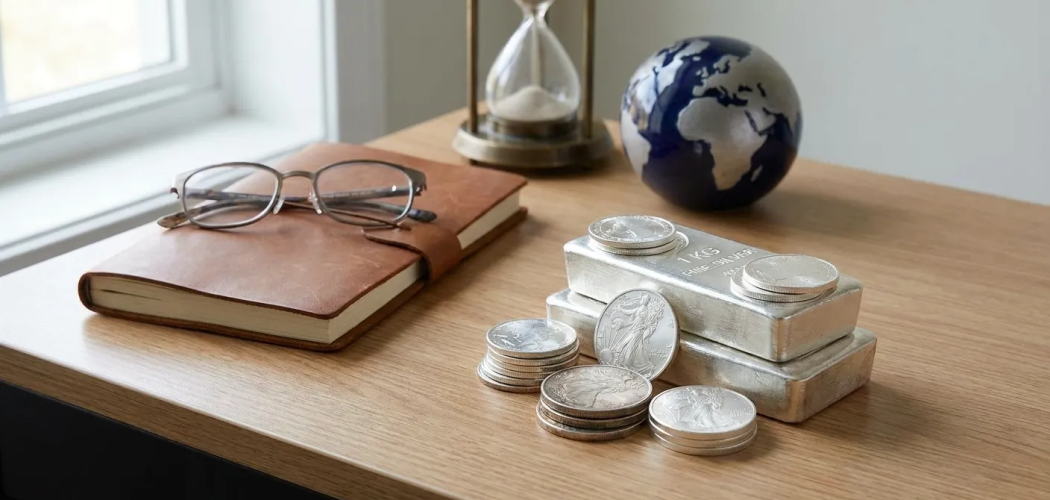
When pursuing long term silver investment, a fundamental decision involves choosing between physical silver and paper silver assets. Physical silver, held as coins, bars, or rounds, offers direct ownership and removes counterparty risk. This tangible form provides a profound sense of security for many investors. Conversely, paper silver includes exchange-traded funds (ETFs), mining stocks, and futures contracts. These options offer liquidity and convenience, but they do not provide direct ownership of the metal itself. Therefore, it is important to understand the distinctions. For example, ETFs might track silver prices but involve management fees and do not give you physical possession. Your choice should align with your personal preferences for direct ownership versus market exposure and liquidity. Consider your storage solutions and accessibility needs carefully.
3. Understanding Market Cycles and Volatility
Silver, like all commodities, is subject to market cycles and periods of increased volatility. However, for the long-term investor, these fluctuations can present opportunities rather than threats. During downturns, silver prices may become more attractive, allowing for accumulation at lower costs. Conversely, during upward trends, the value of existing holdings appreciates. Learning to navigate market cycles and volatility without fear is paramount. Indeed, a calm and informed approach during these times can significantly enhance returns from a long term silver investment. Patience is a virtue in this regard.
4. Diversification with Silver
Silver plays a crucial role in a diversified investment portfolio for beginners and experienced investors alike. Its correlation with other asset classes, such as stocks and bonds, often differs, providing a valuable hedge. During economic downturns, when traditional financial assets may struggle, silver can often maintain or even increase its value. This characteristic makes it an excellent tool for preserving wealth during downturns and crashes. Furthermore, incorporating silver can enhance portfolio stability and reduce overall risk. A well-constructed portfolio uses silver to balance potential losses in other areas, thereby strengthening its resilience.
The Role of Industrial Demand in Silver’s Future
The industrial applications of silver are expanding at an unprecedented rate, driven by global technological advancements and the green energy revolution. Silver’s unique properties—its superior electrical and thermal conductivity, reflectivity, and antibacterial qualities—make it indispensable across various sectors. For instance, solar panel manufacturing relies heavily on silver pastes for photovoltaic cells, a demand that continues to surge as countries worldwide adopt renewable energy solutions. Electric vehicles also utilize significant amounts of silver in their electrical contacts and components. Moreover, the medical industry uses silver in everything from antibacterial coatings to surgical instruments. These growing industrial uses create a robust and increasing baseline demand for silver, distinguishing it from purely monetary assets. This industrial underpinning provides a powerful argument for the sustained growth of long term silver investment.
As technology progresses, new applications for silver are continually discovered. This ensures a persistent and evolving demand, further solidifying its value proposition. Therefore, any investor considering a long term silver investment strategy must acknowledge this powerful industrial pull. The future looks bright for silver due to these innovative uses.
Economic Factors Influencing Silver’s Long-Term Value
Several macroeconomic factors significantly influence silver’s long-term value, making it an attractive option for enduring wealth. Inflation, for example, often drives investors towards tangible assets like silver as a hedge against currency devaluation. When the purchasing power of fiat money diminishes, precious metals tend to retain their value, or even appreciate. Moreover, periods of economic uncertainty or geopolitical instability tend to increase demand for safe-haven assets. Silver, alongside gold, benefits from this flight to safety, as investors seek tangible stores of wealth outside the traditional financial system. This makes a long term silver investment a prudent choice during tumultuous times.
Interest rates also play a role; lower real interest rates generally make non-yielding assets like silver more attractive compared to interest-bearing alternatives. Furthermore, the supply-demand dynamics within the mining sector impact prices. Limited new discoveries and rising extraction costs can constrain supply, pushing prices upward over time. Understanding these broader economic forces allows investors to make more informed decisions about their silver holdings. For instance, monitoring global economic indicators can provide insights into potential price movements. This foresight is invaluable for strategic accumulation of silver.
Comparing Silver and Gold for Long-Term Portfolios
While both silver and gold are precious metals and serve as hedges against economic instability, they possess distinct characteristics that impact their suitability for long-term portfolios. Gold is often considered the ultimate safe-haven asset, exhibiting lower volatility and a more stable price history. It is primarily a monetary metal, with its value driven largely by investment demand and its role as a global reserve asset. Silver, on the other hand, is known for its higher volatility, sometimes referred to as ‘gold on steroids.’ This increased volatility means silver can offer greater upside potential during bull markets, albeit with larger drawdowns during downturns. Its significant industrial demand also provides a different fundamental support compared to gold.
For investors focused on long term silver investment, this higher beta can be a strategic advantage. It allows for potentially greater percentage gains from a lower price point. Many investors choose to hold both metals, using gold for stability and silver for growth potential. A balanced approach often includes a strategic allocation to both. Ultimately, the choice or combination depends on an individual’s risk tolerance, investment horizon, and specific financial goals. Both metals contribute uniquely to a resilient portfolio.
For those looking to maximize their portfolio efficiency, exploring portfolio optimization strategies for maximum efficiency can provide further clarity on how silver and gold can complement each other.
Risks and Considerations for Long-Term Silver Investors
While long term silver investment offers significant advantages, it is not without risks. Its inherent volatility means that price swings can be more pronounced than with other assets. Investors must be prepared for periods where the value of their holdings may temporarily decline. Furthermore, the industrial demand component, while generally strong, can be sensitive to economic slowdowns or technological shifts that reduce the need for silver. For example, a global recession could temporarily curb industrial output, affecting silver demand.
Storage and insurance for physical silver also represent ongoing costs and logistical considerations. Securing your physical assets is paramount. Additionally, the liquidity of physical silver can be lower than paper assets, meaning it might take longer to convert into cash, especially for large quantities. Investors should carefully consider these factors and develop a robust strategy. However, with careful planning and a long-term perspective, these risks can be managed effectively. Understanding these potential challenges allows for more informed decision-making.
Conclusion: Embracing Silver for Enduring Wealth
Silver’s unique blend of industrial necessity and monetary appeal positions it as a powerful asset for building enduring wealth. While its short-term volatility requires a patient and strategic approach, the potential for significant long-term growth and wealth preservation is undeniable. For investors seeking to diversify beyond traditional assets and embrace tangible stores of value, a well-considered long term silver investment strategy is not just advisable but essential. By understanding its dual nature, historical performance, and adopting disciplined accumulation strategies, you can confidently integrate silver into your financial future. Embrace silver’s potential to strengthen your portfolio and contribute to your lasting financial security.
FAQ: How does silver compare to gold for long-term investors?
Silver generally exhibits higher price volatility than gold. However, this also means it can offer greater upside potential over extended periods, particularly due to its significant industrial demand. Gold is often seen as a more stable safe-haven asset.
FAQ: What are the main benefits of investing in silver for the long term?
The primary benefits include its dual role as an industrial metal and monetary asset, providing diverse demand drivers. It also acts as a hedge against inflation and economic uncertainty, offering substantial growth potential for patient investors.
FAQ: Is physical silver better than paper silver for long-term holdings?
The choice between physical and paper silver depends on individual preferences. Physical silver offers direct ownership and no counterparty risk, while paper silver (ETFs, stocks) provides liquidity and convenience. Many investors prefer physical holdings for true wealth preservation over the long haul. For more details, you can explore resources like Investopedia on Silver vs. Gold.
FAQ: How can I mitigate risks when building a silver position over time?
Mitigate risks by employing dollar-cost averaging, which involves consistent purchases regardless of price fluctuations. Additionally, diversify your overall portfolio, understand market cycles, and ensure secure storage for physical assets. Developing a clear clear investment strategies for smarter decisions is also crucial.
FAQ: What drives the industrial demand for silver?
Industrial demand for silver is driven by its unique properties in electronics, solar panels, medical devices, and electric vehicles. As technology advances and green energy initiatives expand globally, these applications continue to grow. You can find more information on industrial demand at sources like the Silver Institute.