

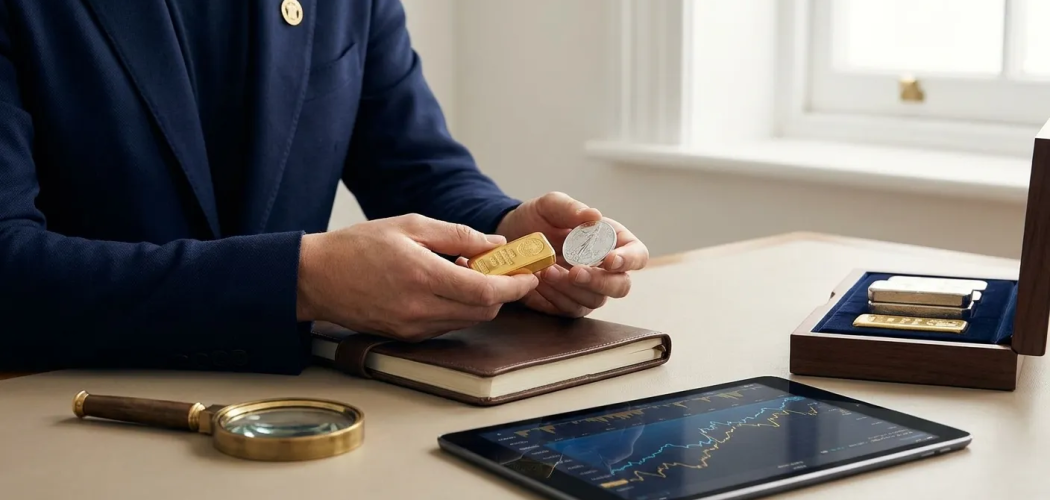
For many new investors like Sarah, expanding beyond a 401k into tangible assets like gold and silver represents an exciting, yet often daunting, next step. The market can seem complex, filled with jargon and countless options. Our goal at The Precious Metals Academy is to simplify this process, guiding you through the essentials of how to buy physical gold silver with clarity and confidence. Direct ownership of precious metals offers a unique sense of security and a tangible hedge against economic uncertainties, making it an attractive option for those seeking to diversify their portfolio and invest in real value.
Understanding Your Options When You Buy Physical Gold Silver
When considering how to buy physical gold silver, you’ll primarily encounter two forms: coins and bars. Each has distinct characteristics that might suit different investment goals and preferences. It is important to assess your personal financial objectives before making a selection. Furthermore, understanding the nuances of each form can help you make an informed decision.
Gold & Silver Coins: Collectible Value and Divisibility
Precious metal coins are often favored by new investors due to their recognition, divisibility, and sometimes, their numismatic (collector’s) value. Common examples include American Eagles, Canadian Maples, and South African Krugerrands. These coins are typically minted by government entities, ensuring their purity and weight. Their smaller denominations can offer greater flexibility if you ever need to sell a portion of your holdings. Consequently, they are a popular choice for those valuing liquidity.
- Pros: High liquidity, easy to authenticate, often recognized globally, potential for numismatic premium.
- Cons: Higher premium over spot price compared to bars, can take up more space for large quantities.
Moreover, the aesthetic appeal of coins can be a factor for some investors. Many find satisfaction in holding and observing these finely crafted pieces. This adds another dimension to their value proposition, beyond just their intrinsic metal content. For instance, certain limited-edition coins can command significant premiums over time due to their rarity.
Gold & Silver Bars: Efficiency and Lower Premiums
Bars, also known as ingots, are generally preferred by investors looking to acquire larger quantities of metal with a lower premium per ounce. They range in size from small 1-ounce bars to much larger kilo or 100-ounce bars. Bars are often produced by private refiners, though reputable ones are certified for purity and weight. As a result, they are often seen as a more direct way to invest in the metal itself.
- Pros: Lower premium over spot price, efficient storage for larger investments, ideal for accumulating significant wealth.
- Cons: Less divisible than coins, may have slightly lower liquidity for very large bars.
In addition, bars are often easier to stack and store in bulk. This makes them a practical choice for serious accumulators. While they lack the artistic detail of coins, their straightforward nature appeals to those focused purely on asset accumulation. Therefore, many long-term investors gravitate towards bars for their cost-effectiveness per ounce.
Secure Storage Solutions for Your Tangible Assets
Once you decide to purchase physical precious metals, securing their storage is paramount. You have several options, each with its own advantages and considerations. Proper storage protects your investment from theft, loss, and damage. Therefore, this step requires careful planning.
- Home Storage: This offers immediate access and control. However, it carries risks of theft, loss, and requires adequate insurance. It’s generally suitable for smaller quantities. You should consider a high-quality safe and a robust home security system.
- Bank Safe Deposit Box: Provides a secure, off-site location. While safer than home storage, access can be limited, and the contents are typically not insured by the bank. It is crucial to check your bank’s specific policies regarding precious metals.
- Third-Party Vaulting Services: Specialized precious metals depositories offer high-security storage, often fully insured. These facilities are designed specifically for precious metals, providing advanced security measures. This option offers peace of mind for significant holdings.
When selecting a storage method, consider the quantity of metal you own, your comfort level with risk, and your need for immediate access. For larger investments, third-party vaulting services are often the most secure and recommended option. They provide professional oversight and robust insurance policies, mitigating many risks associated with personal storage.
Choosing a Reputable Dealer When You Buy Physical Gold Silver
The integrity of your dealer is crucial when you decide to buy physical gold silver. A trustworthy dealer ensures authenticity, fair pricing, and reliable service. Unfortunately, the market does contain less reputable actors. Therefore, due diligence is essential before making any purchase.
Key Factors for Dealer Selection:
- Reputation and Reviews: Always research a dealer’s history and read customer reviews. Look for consistent positive feedback and transparent business practices. A long-standing presence in the industry is often a good sign.
- Accreditation: Verify if the dealer is accredited by industry organizations. For instance, in the U.S., look for membership in organizations like the National Coin & Bullion Association (NCBA).
- Transparency in Pricing: A reputable dealer will clearly state premiums, shipping costs, and any other fees upfront. Avoid dealers with hidden charges or unclear pricing structures.
- Buyback Policy: Understand their buyback policy before purchasing. A good dealer will offer competitive prices when you decide to sell your metals back to them. This provides an exit strategy.
- Security and Insurance: Ensure they offer secure shipping methods and insurance for your delivery. This protects your investment during transit.
For individuals seeking detailed insights into financial platforms, our Interactive Brokers Review 2026 provides comprehensive analysis of a leading brokerage, which might be helpful for understanding broader investment contexts, though direct physical metal purchases are typically made through specialized dealers. Always compare prices from several dealers to ensure you are getting a fair deal. This competitive analysis can save you a significant amount over time. Furthermore, do not hesitate to ask questions about their processes and policies.
Understanding Premiums and Spot Price
When you buy physical gold silver, you will encounter two key terms: spot price and premium. The spot price is the current market price for one ounce of a precious metal for immediate delivery. This price fluctuates constantly based on global supply and demand. However, you will never pay just the spot price for physical metal.
The premium is the additional cost added to the spot price. This covers the dealer’s overheads, fabrication costs (minting coins or refining bars), shipping, insurance, and profit margin. Premiums vary based on the type of product (coins generally have higher premiums than bars), the dealer, and market conditions. For example, smaller denominations often carry higher premiums per ounce due to increased manufacturing costs.
Understanding this distinction is vital for making cost-effective purchases. Your goal should be to find a balance between a reasonable premium and the product features you desire. For instance, if your primary goal is to accumulate as much metal as possible, opting for larger bars with lower premiums might be more suitable. Conversely, if divisibility and potential numismatic value are important, you might accept a higher premium for coins.
The Process of Purchasing: Steps to Buy Physical Gold Silver
The actual process to buy physical gold silver is straightforward once you have chosen your dealer and product. Here’s a general outline of the steps involved:
- Research and Select a Dealer: As discussed, choose a reputable dealer with good reviews and transparent pricing.
- Choose Your Product: Decide whether coins or bars best suit your investment strategy. Consider purity, weight, and brand.
- Place Your Order: Most reputable dealers allow you to place orders online or over the phone. You will lock in the price at the time of your order.
- Payment: Payment methods vary. Common options include bank wire, personal check, credit card, or even cryptocurrency for some dealers. Bank wires are often preferred for larger transactions as they clear quickly.
- Confirmation and Shipping: Once payment is confirmed, your order will be processed and shipped. Ensure the dealer provides tracking information and that the shipment is insured.
- Receive and Store: Upon receiving your metals, inspect them carefully. Then, transport them to your chosen secure storage location.
Always keep detailed records of your purchases, including invoices and tracking numbers. This documentation is crucial for future reference, especially for tax purposes or if you need to make an insurance claim. Furthermore, consider consulting our Complete Guide to Crude Oil Trading for additional insights into commodity markets, although it focuses on a different asset class, the principles of market analysis can be broadly applied.
Tax Implications of Investing in Precious Metals
Understanding the tax implications is a critical part of investing in precious metals. In many jurisdictions, physical gold and silver are considered collectibles for tax purposes. This means they may be subject to different capital gains tax rates than traditional stocks or bonds. For example, in the United States, gains from the sale of collectibles held for more than one year are typically taxed at a higher rate than long-term capital gains on other investments.
It is important to consult with a qualified tax advisor to understand the specific tax laws in your region. They can provide personalized advice based on your individual financial situation and investment goals. Keeping meticulous records of your purchase price, sale price, and holding period is essential for accurate tax reporting. Do not overlook this aspect, as proper planning can prevent future complications. Moreover, tax laws can change, so staying informed is crucial.
Common Mistakes to Avoid When You Buy Physical Gold Silver
Even experienced investors can make errors. For those new to precious metals, awareness of common pitfalls is especially important. Avoiding these mistakes can save you money and protect your investment.
- Ignoring Premiums: Focusing solely on the spot price without considering the premium can lead to overpaying. Always factor in the total cost per ounce.
- Lack of Research: Purchasing from an unknown dealer or without understanding product options can result in scams or poor value. Thorough research is your best defense.
- Inadequate Storage: Failing to secure your assets properly exposes them to theft or loss. Prioritize secure storage from the outset.
- Impulsive Buying/Selling: Emotional decisions, especially during market volatility, often lead to losses. Develop a clear investment strategy and stick to it.
- Not Verifying Authenticity: While reputable dealers guarantee authenticity, it’s wise to understand basic verification methods, especially if buying from less conventional sources.
- Ignoring Tax Implications: Neglecting to consider how taxes will affect your returns can lead to unexpected liabilities. Always plan for taxes.
By being mindful of these common errors, you can navigate the process to buy physical gold silver more effectively and confidently. Remember, patience and informed decision-making are key to successful precious metals investing.
The Role of Precious Metals in a Diversified Portfolio
Diversification is a cornerstone of sound investment strategy. Precious metals, particularly gold and silver, play a unique and valuable role in a diversified portfolio. They often act as a hedge against inflation and economic uncertainty. Unlike stocks or bonds, their value is not tied to corporate earnings or government stability in the same way. Therefore, they can provide stability when other assets decline.
Historically, gold has maintained its purchasing power over long periods. Silver, while more volatile, also offers industrial demand in addition to its monetary properties. Including a portion of your portfolio in these tangible assets can reduce overall risk and enhance long-term resilience. This approach empowers investors to face market fluctuations with greater assurance. For further details on our philosophy, we encourage you to review our Disclaimer.
Navigating Market Fluctuations
The prices of gold and silver are subject to market fluctuations, influenced by a variety of global economic and geopolitical factors. Understanding these drivers can help you make more informed decisions about when to buy physical gold silver. For instance, economic uncertainty often drives up demand for gold as a safe-haven asset. Conversely, periods of strong economic growth and rising interest rates can sometimes put downward pressure on prices.
Key factors influencing precious metals prices include interest rates, inflation rates, currency strength (especially the U.S. dollar), geopolitical events, and industrial demand for silver. While it is impossible to predict market movements with certainty, staying informed about these macro trends can provide valuable context for your investment decisions. We regularly publish market insights in our News section to help you stay updated.
Adopting a long-term perspective is often beneficial when investing in precious metals. Rather than attempting to time the market perfectly, many successful investors use strategies like dollar-cost averaging. This involves investing a fixed amount regularly, regardless of price fluctuations, thereby averaging out your purchase price over time. This systematic approach can reduce the impact of short-term volatility.
Conclusion: Your Confident Path to Precious Metals Ownership
Embarking on the journey to buy physical gold silver is a significant step towards diversifying your wealth and securing your financial future. By understanding the different forms of precious metals, selecting reputable dealers, ensuring secure storage, and being aware of the associated costs and tax implications, you can approach this investment with clarity and confidence. The Precious Metals Academy is committed to being your guiding mentor, providing the knowledge and support you need to make empowered decisions. Remember, direct ownership of gold and silver offers a tangible sense of security that complements a well-rounded investment portfolio. We are here to help you every step of the way, ensuring your path to tangible asset ownership is clear and secure.
FAQ
What are the primary differences between investing in physical gold coins versus bars?
Coins typically offer greater divisibility and potential numismatic value, making them easier to sell in smaller portions and appealing to collectors. Bars, conversely, are often more cost-effective per ounce due to lower premiums, making them ideal for larger investments focused purely on metal accumulation.
How can I ensure the authenticity of the precious metals I purchase?
To ensure authenticity, always buy from reputable and established dealers with strong industry affiliations and transparent practices. Look for products from recognized government mints or certified private refiners. Furthermore, research customer reviews and verify their accreditation.
Is it better to store my gold and silver at home or in a professional vault?
The best storage method depends on the quantity and your personal comfort level. Home storage offers immediate access but carries higher risks. Professional vaulting services provide enhanced security, insurance, and peace of mind for significant holdings, making them a preferred choice for many serious investors.
What should I consider regarding the tax implications of selling my precious metals?
When selling your precious metals, be aware that they are often classified as collectibles for tax purposes, potentially subject to different capital gains rates. It is crucial to consult a qualified tax advisor to understand the specific tax laws in your jurisdiction and keep detailed records of all transactions.
How do market conditions affect the price I pay for physical gold and silver?
Market conditions, such as economic uncertainty, inflation, interest rates, and currency strength, influence the spot price of gold and silver. Additionally, premiums over the spot price can fluctuate based on dealer supply, demand for specific products, and overall market sentiment. Monitoring these factors helps in making timely purchase decisions.